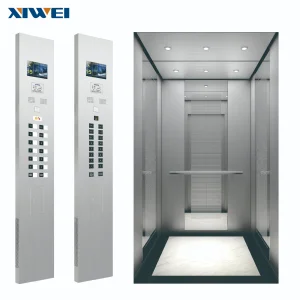
Explore our elite range of low-maintenance, precision-engineered lift products designed for residential, commercial, and heavy-duty industrial applications.
In the contemporary architectural and industrial landscape, vertical mobility systems are no longer evaluated solely by their capital expenditure (CAPEX). Modern asset managers, municipal planners, and high-end residential developers place an overriding priority on Operational Expenditure (OPEX) and Total Cost of Ownership (TCO). The pivotal metric driving modern system specifications is the reduction of lifetime maintenance overheads. A "Low Maintenance Lift" is not merely an elevator that requires infrequent cleaning; it is a complex mechanical, electrical, and electronic assembly systematically engineered to eliminate common wear points, optimize lubrication pathways, and utilize predictive diagnostic frameworks to minimize unscheduled downtime.
Historically, hydraulic systems were praised for their initial cost-effectiveness but lamented for their long-term maintenance cycles, involving hydraulic oil replacement, seal degradation, and temperature sensitivity. Traction systems, while efficient, traditionally demanded regular gearbox inspections and lubrication. The industry has underwent a significant transition with the rise of Permanent Magnet Synchronous Motor (PMSM) Gearless Traction technology and advanced, closed-loop electronic controls. By eradicating mechanical gearboxes, manufacturers have eliminated gear wear, lubricant oxidation, and mechanical backlash. This technical evolution forms the baseline of low-maintenance lift design, presenting systems that run seamlessly for thousands of cycles with minimal human intervention.
Information Gain Insight: The true value of a low-maintenance lift lies in the synchronization of material science (such as polyurethane-coated steel belts replacing traditional steel wire ropes) and active system diagnostics. Polyurethane-coated belts exhibit a friction coefficient up to three times higher than steel cables, eliminating the need for periodic groove re-machining and tension adjustments, reducing structural wear by over 45% over a 15-year lifecycle.
Jiangsu Samar Lift Co., Ltd. is a leading manufacturer specializing in the design, production, and installation of home elevators and multi-functional lifting equipment. With a strong commitment to technological innovation, we integrate R&D, manufacturing, sales, and after-sales service to deliver high-quality and reliable lifting solutions.
At Jiangsu Samar Lift Co., Ltd., we utilize an efficient and flexible production system to meet our customers' diverse and specific needs for home elevator functionality. Our product range includes residential elevators, freight lifts, platform lifts, and custom lifting solutions that are engineered for both domestic and commercial applications.
With years of continuous development, innovation, and experience, our products stand out for their advanced technology, safety features, and durability. We specialize in providing cutting-edge lifting equipment that enhances convenience, accessibility, and efficiency for our clients.
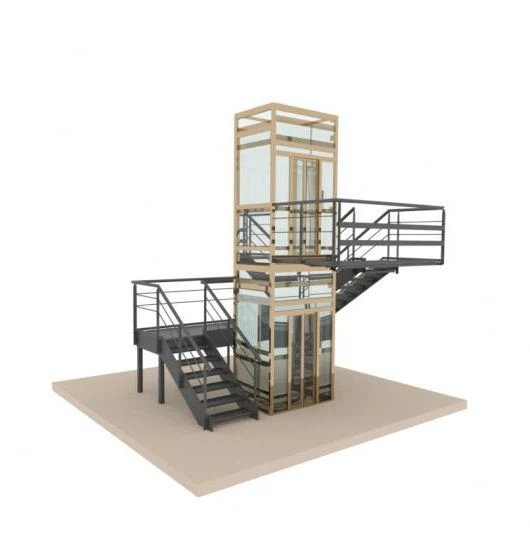
The global commercial and industrial sectors are undergoing rapid digital transformation, where warehouse automation, micro-fulfillment centers, and multi-tier logistics hubs dictate the speed of commerce. In this highly optimized environment, elevator downtime has severe financial implications. For instance, in an automated distribution center, a failure of a primary freight lift or vertical scissor platform can result in massive operational bottlenecks. As a result, procurement guidelines globally have shifted away from low-CAPEX equipment toward systems that guarantee 99.9% uptime.
In mature markets across North America and Europe, stringent labor laws and skyrocketing technical dispatch costs mean that every maintenance visit is expensive. Consequently, regional commercial complexes and high-end residential towers now demand systems utilizing Machine-Room-Less (MRL) design and variable-frequency drives (VFD). This mitigates the risk of motor stress and component fatigue. Meanwhile, in emerging markets, rapid urbanization is driving vertical density, demanding elevators that can withstand continuous operational cycles in harsh, hot, or dust-prone environments. This global shift highlights why Chinese manufacturing centers, which combine advanced materials, electronics, and mechanical engineering, are setting new standards for the international lift market.
China's preeminence as the primary manufacturer and supplier of low-maintenance lifts is built upon an unparalleled ecosystem of industrial clustering, raw material accessibility, and rapid manufacturing adaptation. In provinces like Jiangsu, elevator manufacturing hubs bring together steel manufacturers, electronic controller developers, precision machining factories, and international testing agencies within a 50-kilometer radius. This geographic proximity drastically cuts transportation times and optimizes collaborative engineering workflows.
At Jiangsu Samar Lift Co., Ltd., this integrated network allows us to source structural structural steel (such as heavy-duty Q345B steel channels) and integrate them with high-end control microchips and variable-frequency components within remarkably compressed lead times. This supply chain integration guarantees consistent material grades, full batch traceability, and rapid prototyping capabilities. The end result is a highly reliable product, delivered globally at a price point that remains highly competitive.
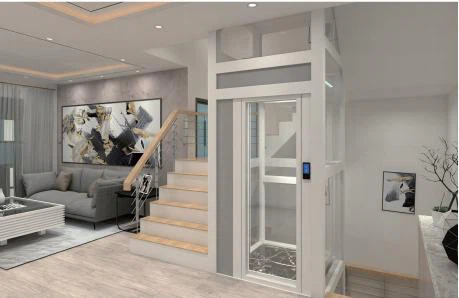
The engineering requirements of vertical transport vary significantly across applications. Low-maintenance design principles are tailored to address these unique operational conditions:
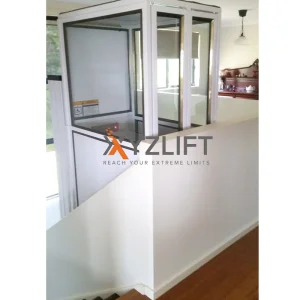
In private residences, lifts require minimal noise, vibration, and maintenance overheads. Homeowners do not have on-site maintenance crews. Hence, utilizing gearless, lubrication-free traction shafts ensures that the home elevator remains safe, clean, and silent, without oil fumes or periodic mechanical adjustments.
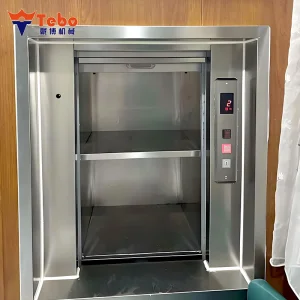
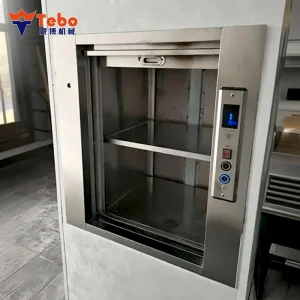
For high-end hotels and restaurants, custom dumbwaiters move meals, tableware, and luggage between floors. Reliability is essential to avoid service bottlenecks. By utilizing corrosion-resistant food-grade stainless steel (SUS304) and sealed drive assemblies, these lifts prevent food particles or humidity from compromising mechanical parts.
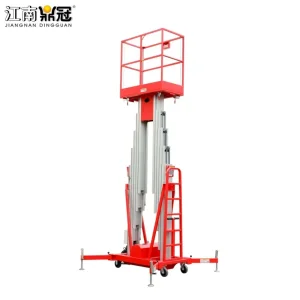
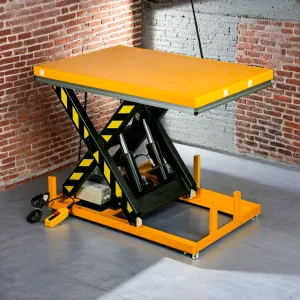
Heavy-duty scissor lift tables and cargo lifts operate under extreme weight cycles and abrasive dust. These industrial units feature self-lubricating composite bushings, chrome-plated heavy-duty pins, and robust IP65-rated hydraulic power packs, preventing contaminants from causing premature hydraulic seal failures.
The engineering design of vertical mobility systems is rapidly evolving, driven by innovations in digital transformation, material sciences, and green building certifications. Over the next decade, the industry is projected to transition from traditional schedules to predictive, data-driven maintenance models. Key developments in our engineering roadmap include:
Operating vertical transportation systems requires strict adherence to international safety and quality standards. Jiangsu Samar Lift Co., Ltd. ensures that all custom builds, standard passenger passenger lifts, and industrial lift platforms conform strictly to global regulations. This compliance framework provides peace of mind for engineering consultants and building inspectors worldwide:
Fully compliant with the European Lifts Directive 2014/33/EU and Machinery Directive 2006/42/EC, enabling seamless deployment across all EU member states.
Engineered in compliance with EN 81 series standards in Europe and ASME A17.1 safety codes in North America, covering structural calculations and electrical safety factors.
Supported by over 200 global agents and backed by our dedicated 24/7 technical hotline, providing prompt spare parts shipping and on-site engineering consultations.
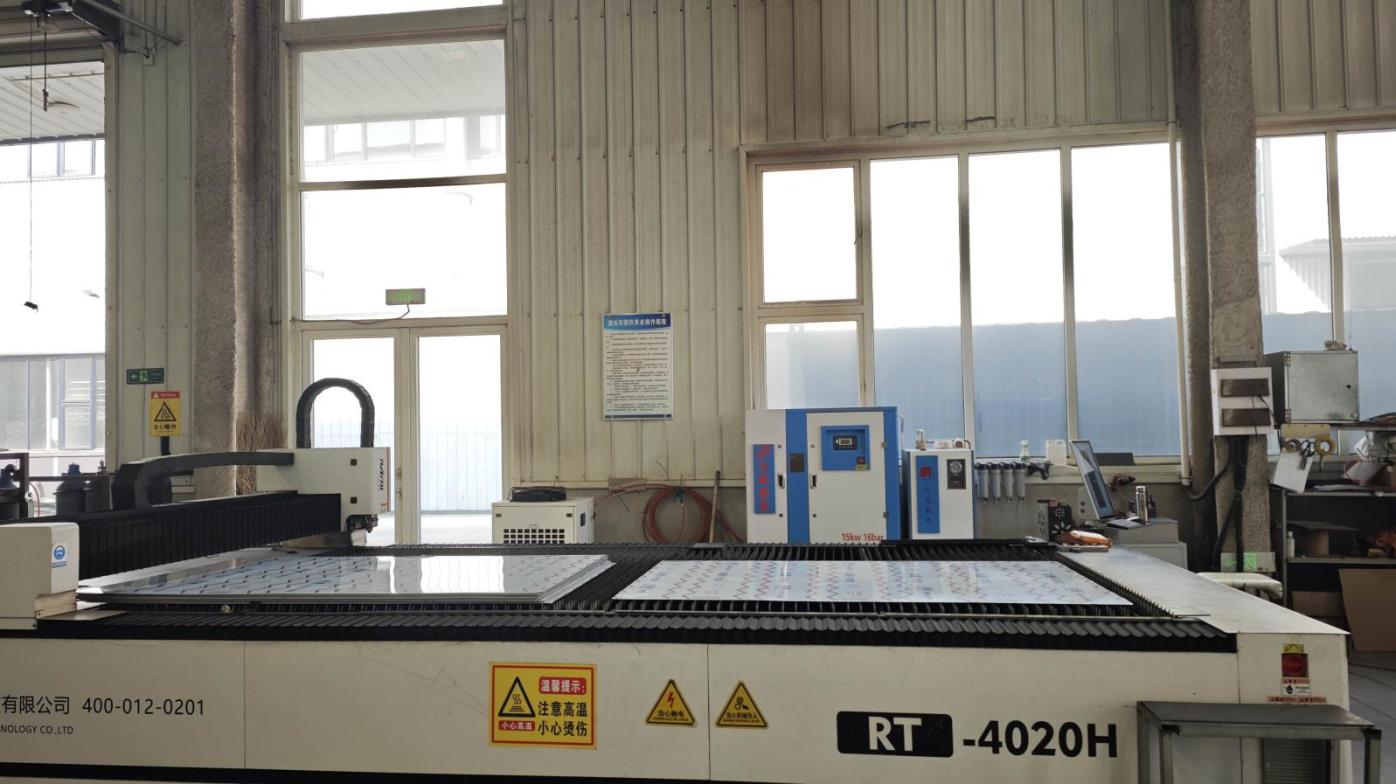
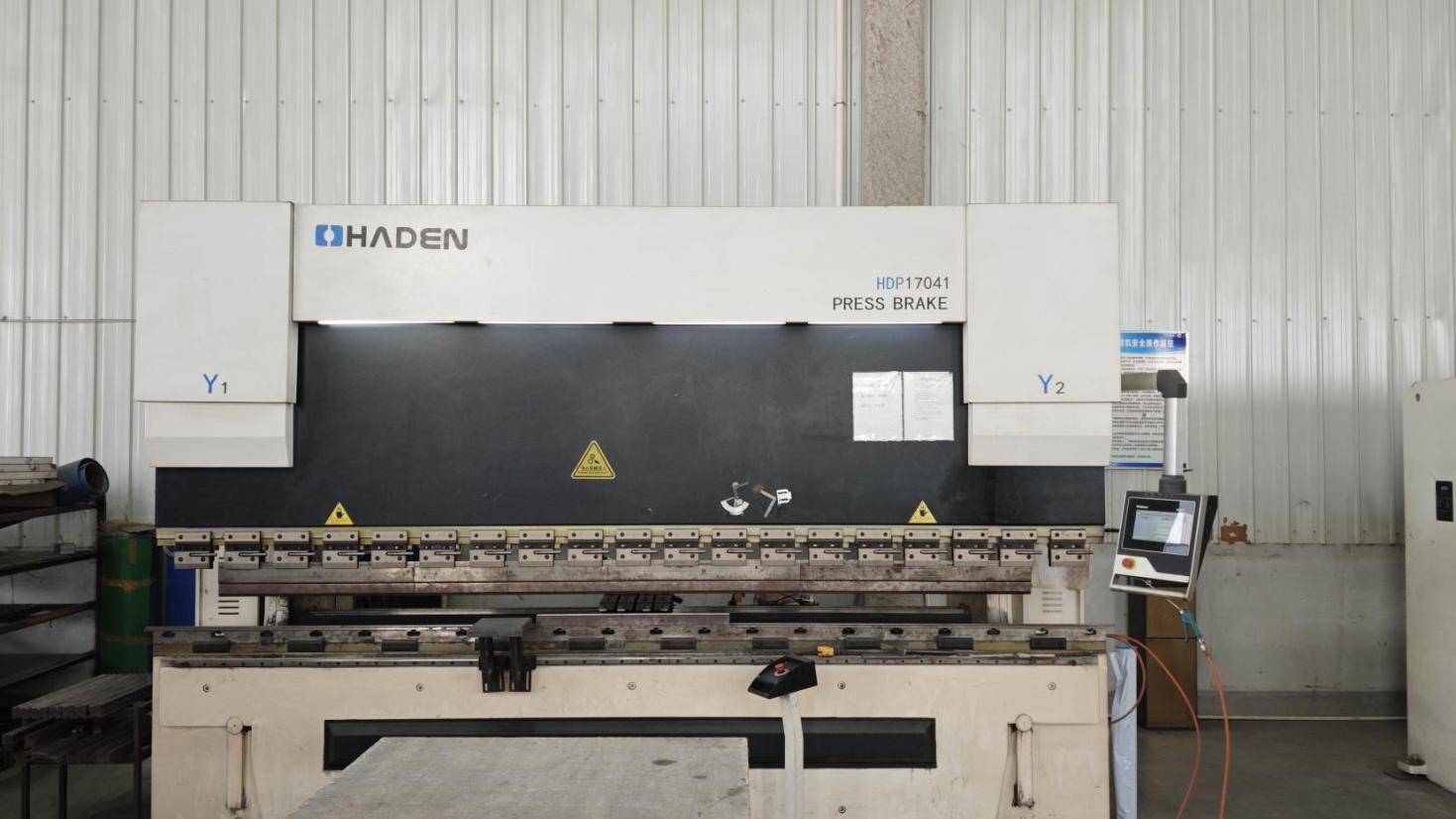
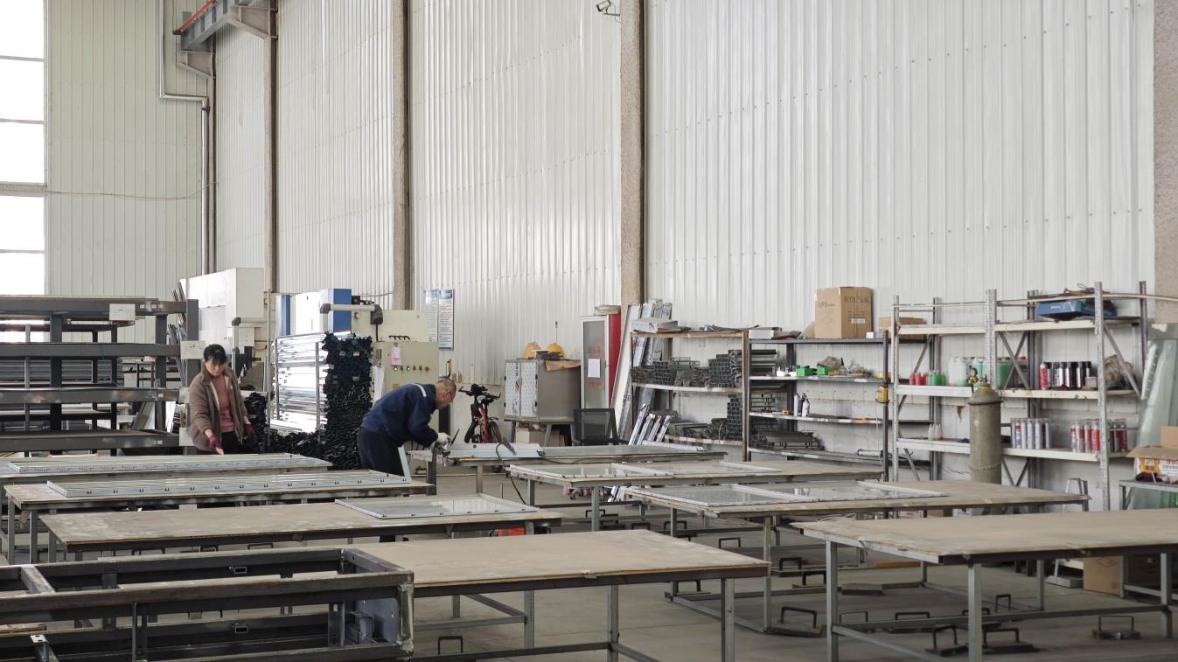
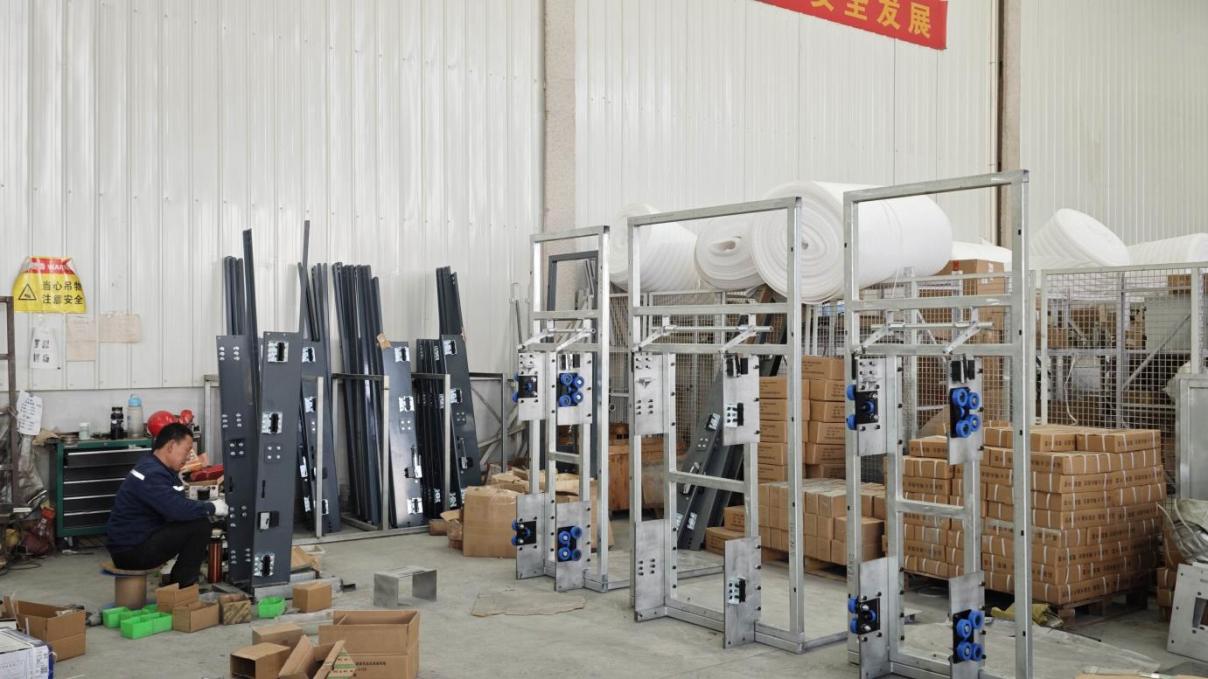
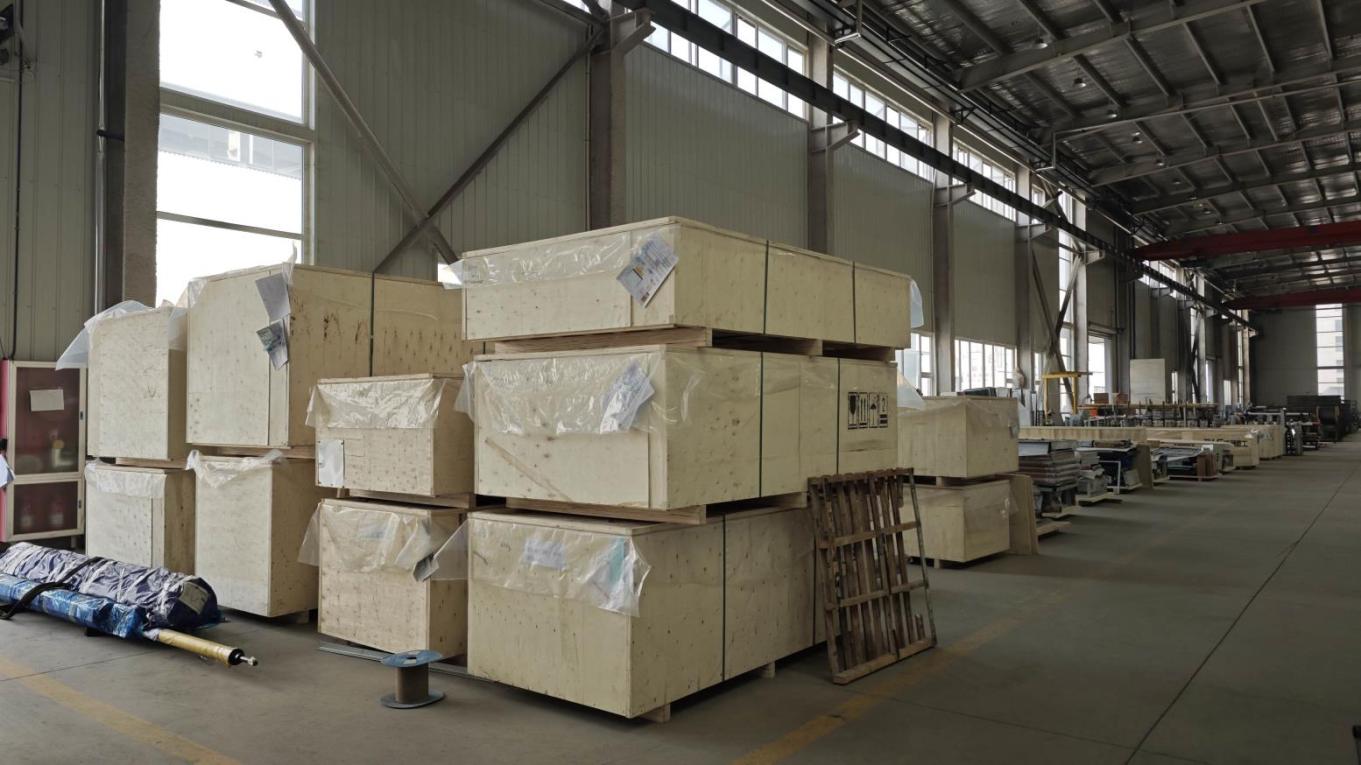
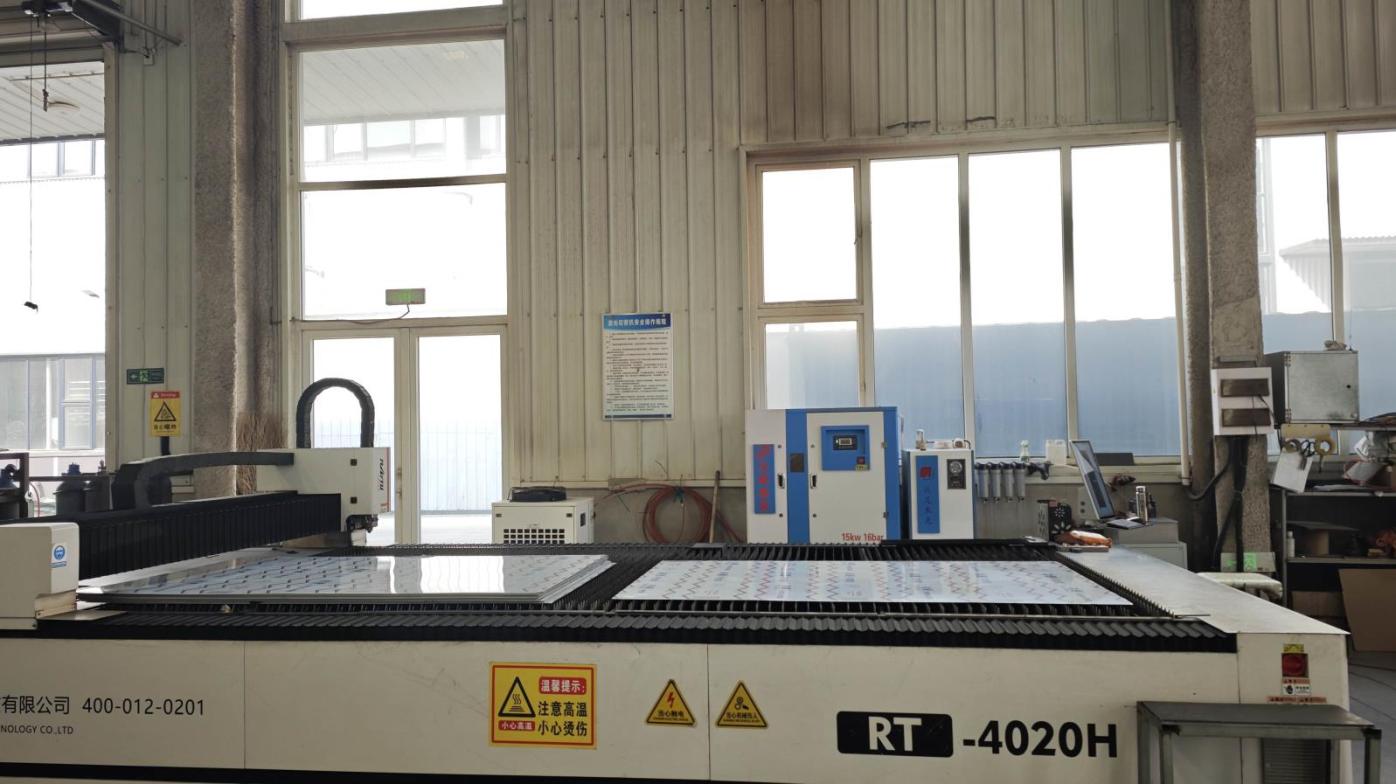
A visual tour of our production floor showing the automated machinery, rigorous processing, and strict quality control behind Samar lifts.
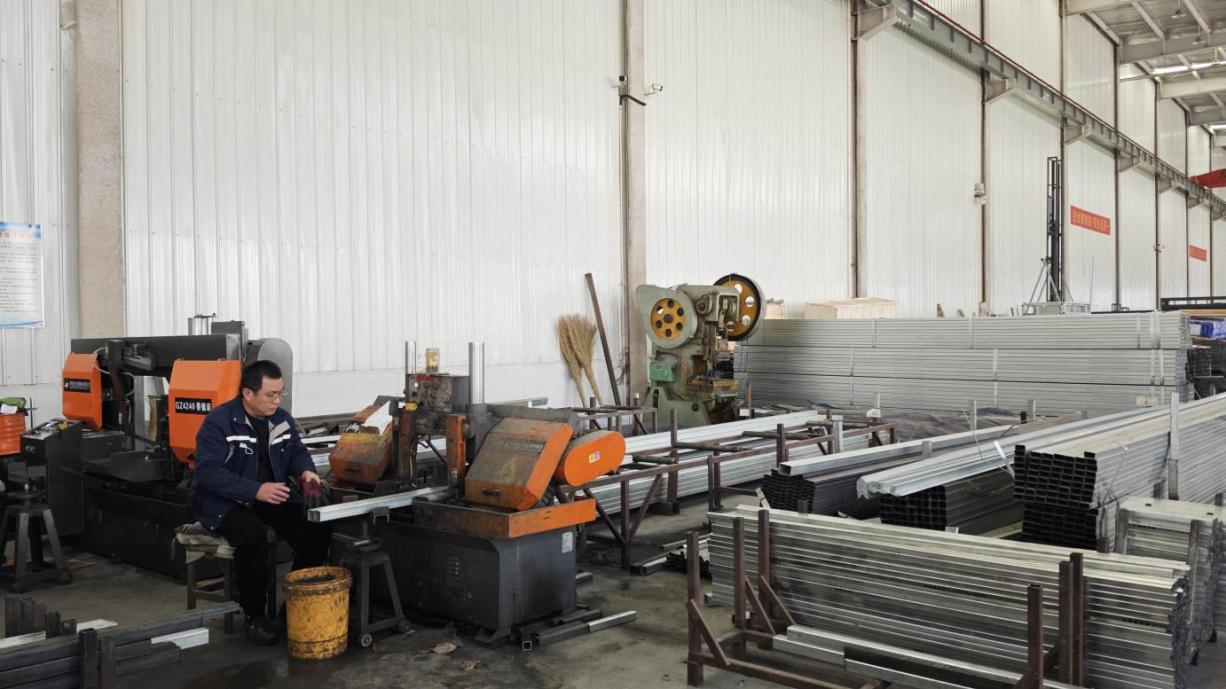
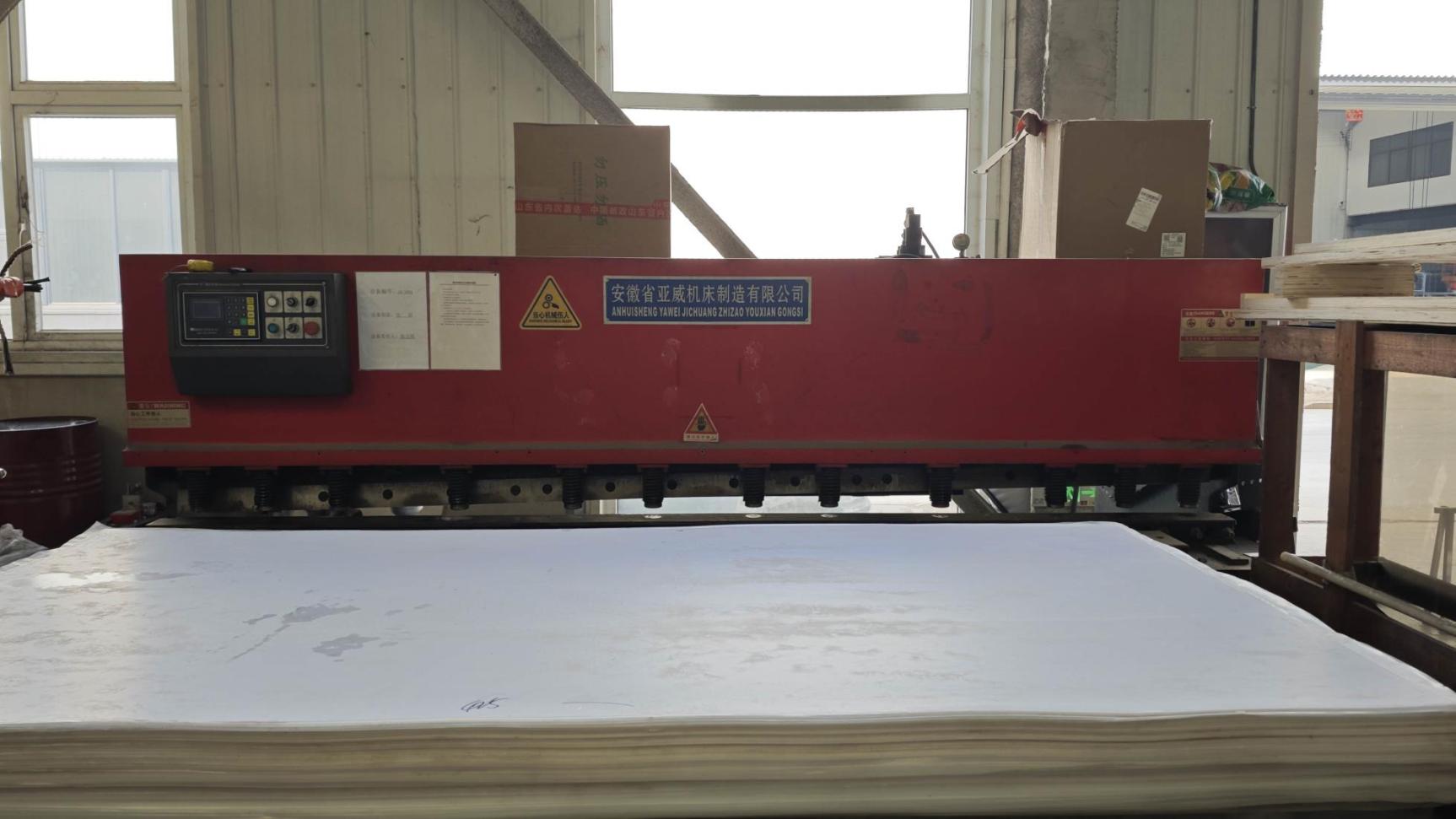
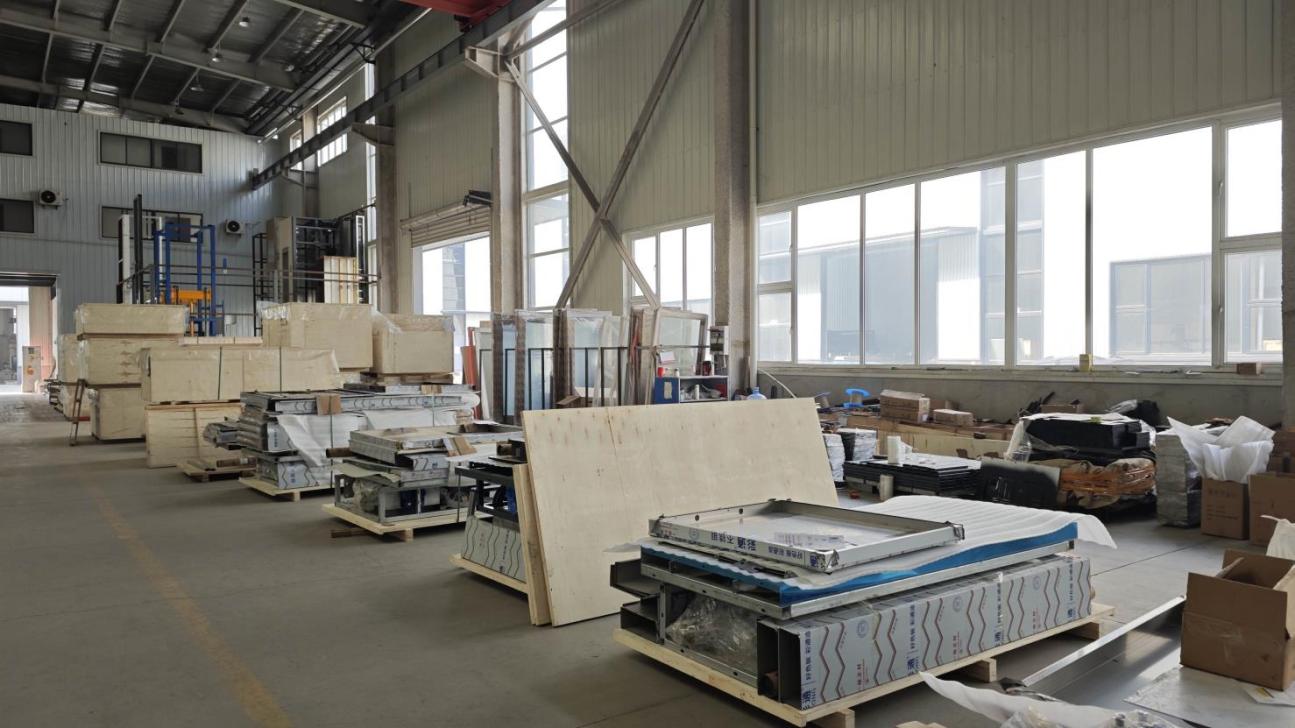
Technical clarifications and procurement guidance regarding China-manufactured low-maintenance vertical transportation units.
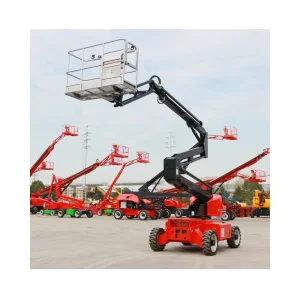
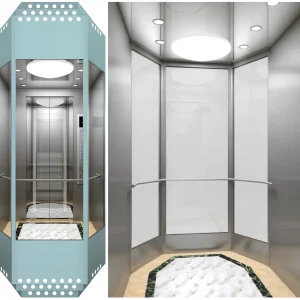
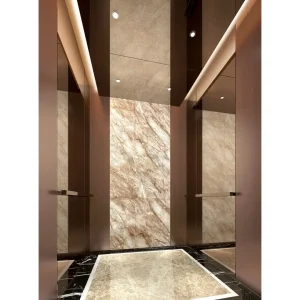
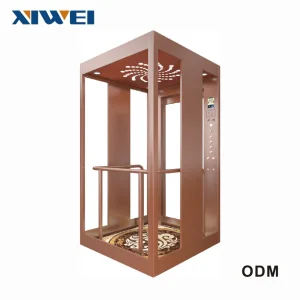
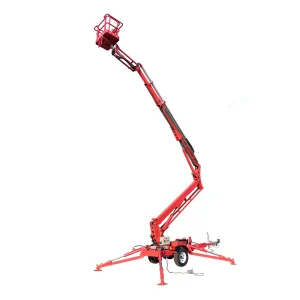
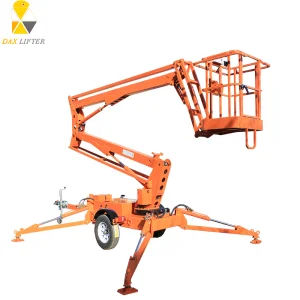
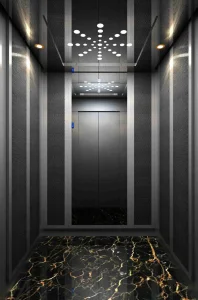
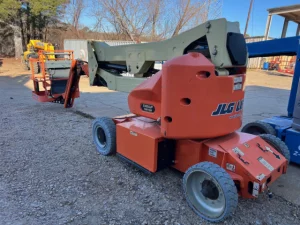
Explore our specialized cargo tables, high-performance boom platforms, and custom architectural panoramic elevators.
 Samar Lift