Why Is My Hydraulic Lift Leaking Oil 7 Tips?

Time:2026-11-09 Author:Aria
0%

Why is my hydraulic lift leaking oil? The answer may be a worn seal, a loose fitting, a damaged hose, or oil escaping from the cylinder rod. A small amber drop beneath a lift can leave a slippery patch, but its location alone does not identify the fault. Trace the oil carefully before adding fluid or replacing parts.

Reliable guidance matters. ISO 4413:2010 sets safety requirements for hydraulic fluid-power systems, while OSHA warns that pressurized hydraulic fluid can cause serious injection injuries. Neither source provides a universal statistic for how often lifts leak; rates depend on equipment, age, use, and maintenance. Herbert E. Merritt, author of Hydraulic Control Systems, offers a useful engineering perspective: diagnose the system rather than treating only the visible symptom. That is a paraphrase, not a direct quotation.

This guide presents seven practical checks, from inspecting hose connections to looking for rod-seal wear and checking the reservoir level. Watch for fresh oil around fittings, wet cylinder surfaces, or a level that keeps falling. Don’t touch a suspected leak while the system is pressurized. Small leaks can be deceptive. A drip may appear minor, yet continued fluid loss can affect lift performance and create a slip hazard. These tips can help narrow the cause, but they cannot replace the lift manufacturer’s service instructions or a qualified technician’s inspection.
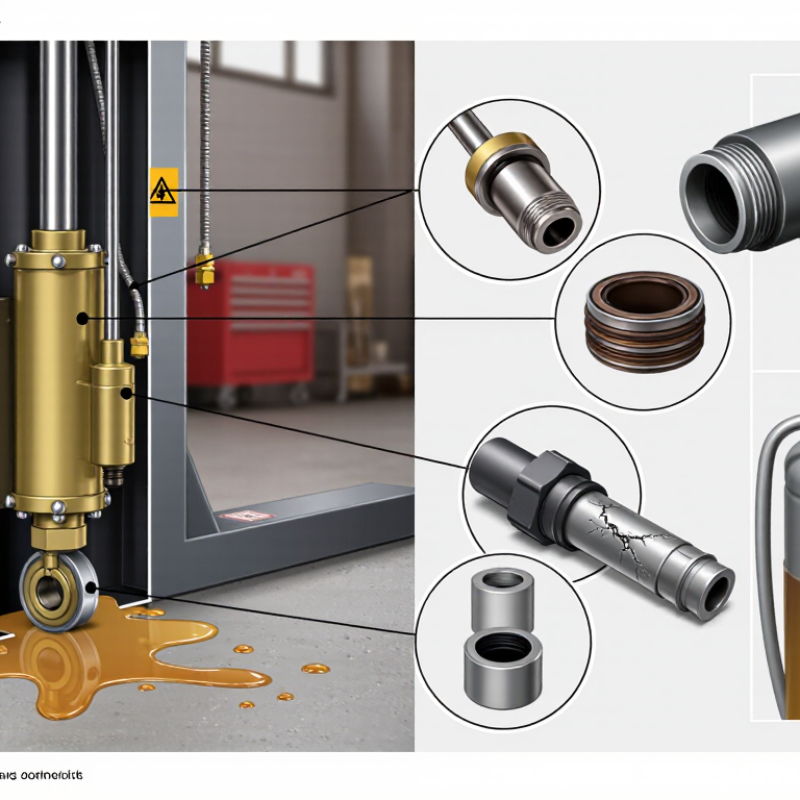
Why Is My Hydraulic Lift Leaking Oil 7 Tips?

Common Causes of Hydraulic Lift Oil Leaks

Oil beneath a hydraulic lift often points to a worn seal, damaged hose, or loose connection. The leak’s location can narrow the search. A puddle near a cylinder may suggest a seal problem, while wetness around a fitting can indicate a loose or damaged connection. Check when the oil appears: a leak that worsens during lifting may behave differently from one that continues while the lift is parked.

Worn cylinder seals are a common cause, especially when oil collects around the rod. A scratched or corroded rod can damage a replacement seal, so changing the seal alone may not solve the problem. Hoses can crack with age or rub against nearby parts. Fittings may loosen under vibration, and an overfilled reservoir can push oil out through a vent. It is tempting to blame the cylinder right away. Not always.

Before inspecting the lift, lower it fully and follow the equipment maker’s service instructions. Wipe the area clean, then watch for fresh oil without putting your hands near moving parts. Never search for a pressurized leak with your fingers; escaping fluid can cause serious injury. Note the oil’s color and where it reappears. If the source remains unclear, or the lift drops unexpectedly, stop using it and have a qualified technician inspect the system.

How to Locate the Source of a Leak Safely

Why Is My Hydraulic Lift Leaking Oil? 7 Tips

How to Locate the Source of a Leak Safely

A leak may come from a hose, fitting, cylinder seal, or reservoir. Before looking, lower the lift completely and remove any load. Stop the lift. Follow the equipment’s shutdown procedure, and keep others clear. Never inspect beneath a raised platform. Pressurized oil can pierce skin, even through a tiny opening. Use eye protection, and never search for a leak with your fingers.

Tip 1: Wipe visible oil from the lift’s exterior with a clean cloth.

Tip 2: Place cardboard beneath the suspected area, then run the lift only if its manual permits.

Tip 3: Watch from a safe distance for fresh drips or a thin wet trail.

Tip 4: Check hose ends and fittings visually; do not tighten or loosen parts under pressure. A clean lift can still fool you.

Tip 5: Look around the cylinder rod for fresh oil, not just old grime.

Tip 6: Check the reservoir and its cap for seepage or a rising oil level.

Tip 7: Note where the first new drop appears, then shut down the lift. Take a photo if it helps.

Small leaks can travel along frames, so the lowest wet spot may not be the source. If oil sprays, a hose bulges, or the source remains unclear, keep the lift out of service and contact a qualified technician.

Seven Checks for Seals, Hoses, Fittings, and Fluid

Oil under a hydraulic lift can come from a seal, hose, fitting, or spill during filling. Lower the lift fully and secure it according to its operating instructions before inspecting. Never search for a pressurized leak with your hand; escaping oil can penetrate skin.

Start with safety.

Check the cylinder rod for a wet film or a line of oil returning after each cycle. A damaged seal may leave fresh oil near the rod’s entry point. Inspect hoses along their full length for cracks, bulges, abrasion, or damp spots. Look closely. Pay attention to bends and areas that rub against the frame. Examine hose ends and fittings for oil rings or residue. Do not tighten connections while the system is pressurized.

Check the reservoir level against the specified range, with the lift in the position required by its instructions. Low fluid may indicate a leak, while cloudy or foamy fluid can point to contamination or air. Note when the leak appears: during lifting, while holding a load, or after lowering. That pattern can help narrow the source, though it does not prove it. Wipe suspected areas clean, then observe from a safe distance during normal operation. If oil returns quickly, a hose is bulging, or the lift drifts, stop using it and arrange qualified service.

One detail is easy to miss: spilled fluid can travel along a frame and drip far from its source.

Steps to Repair a Hydraulic Lift Oil Leak

Steps to Repair a Hydraulic Lift Oil Leak

Park the lift on level ground, lower the platform, and isolate its power source. OSHA’s 2023 Census of Fatal Occupational Injuries recorded 5,283 fatal work injuries in the United States. That figure is not specific to hydraulic leaks, but it underscores why repairs must begin with safe isolation. Release stored pressure only as the equipment manual directs. Never search for a leak with your hand; pressurized oil can penetrate skin. A sheet of cardboard helps reveal spray without placing fingers near a suspected leak.

Wipe the area clean, then inspect hose ends, fittings, the cylinder rod, and the reservoir. Look for fresh oil, cracked hoses, loose connections, or a damaged rod seal. Tighten fittings only to the specified torque; overtightening can distort seals. Replace damaged hoses or seals with parts rated for the lift’s pressure. Don’t improvise here. If the leak is inside a cylinder or the repair needs special tools, use a qualified hydraulic technician.

Check the fluid level and condition against the manual, and refill with the specified type. Keep dirt out of the reservoir. After reassembly, restore power and test the lift unloaded from a safe position. Watch for seepage and uneven movement. I’d recheck the fittings after the first test; small leaks can be easy to miss. Document the repair, fluid added, and any parts replaced.

When to Stop Using the Lift and Call a Technician

A hydraulic lift should come out of service when oil is actively dripping, spraying, or pooling beneath it. Stop using it if the platform jerks, sinks, tilts, or cannot hold its position. A swollen hose, cracked line, loose fitting, or sudden pressure loss also warrants a stop. Keep people clear of an elevated load. Lower it only through the approved procedure, if the lift remains stable and the procedure is safe. Do not crawl underneath.

High-pressure oil can penetrate skin through a tiny opening. The injury may look minor at first, yet needs urgent medical care. Never search for a leak with your hand; use a safe inspection method specified by the equipment maker. OSHA estimates effective lockout/tagout prevents about 120 fatalities and 50,000 injuries each year. That figure covers hazardous energy in workplaces broadly, not hydraulic lifts alone, but it reinforces the need to isolate and verify energy before repairs.

Before calling a technician, note where the oil appears, when the fault began, and whether movement changed. Keep the lift out of service, mark it clearly, and follow its shutdown and isolation instructions. A small stain may seem harmless. That judgment can be wrong. Call a qualified technician for persistent seepage, damaged hoses, unexplained drift, or any leak near pressurized components. Do not tighten fittings while the system is pressurized.

Why Is My Hydraulic Lift Leaking Oil? 7 Stop-Use Warning Signs

How to read this chart: Each bar represents one stop-use warning sign, not a measured failure rate. If you see any of these signs, keep people clear, lower and secure the load only if it is safe to do so, and contact a qualified technician. Never use your hand to find a hydraulic leak; high-pressure fluid can cause serious injury.

FAQS

What should I do before checking for a hydraulic oil leak?

Lower the lift fully, remove any load, and follow its shutdown instructions. Keep others clear. Never inspect beneath a raised platform.

Can I find a pressurized leak with my fingers?

No. High-pressure oil can pierce skin through a tiny opening. Use eye protection and a safe inspection method.

How can I spot where oil is coming from?

Wipe visible oil with a clean cloth, then watch for fresh drips from a safe distance. Oil can travel along the frame. The lowest wet spot may fool you.

Which parts should I inspect visually?

Look for wetness near the cylinder rod, cracked or bulging hoses, and oily residue around fittings. Do not tighten or loosen parts under pressure.

Can cardboard help locate a leak?

Place cardboard beneath the suspected area only if the operating instructions permit running the lift. Observe from a safe distance.

What can the oil’s condition or level tell me?

Check the reservoir level as instructed. Low fluid may suggest a leak; cloudy or foamy fluid may indicate contamination or air. It is a clue, not proof.

When should I stop using the lift?

Stop if oil sprays, drips heavily, or pools, or if the platform jerks, sinks, tilts, or drifts. Keep it out of service.

What should I tell a qualified technician?

Note where the oil first appears, when the problem began, and whether lift movement changed. A photo may help. Small stains can be misleading.

Conclusion

This article explains the common reasons a hydraulic lift may leak oil, including worn seals, damaged hoses, loose fittings, and issues with the hydraulic fluid. It also outlines how to look for the source of a leak safely, such as lowering and securing the lift, switching it off, and checking for visible oil without touching pressurized components. If you are asking, “Why is my hydraulic lift leaking oil,” a careful inspection of the seals, hoses, connections, fluid level, and surrounding components can help narrow down the cause.

The guide offers seven practical checks and describes basic steps for addressing a leak, such as tightening an appropriate fitting or replacing a visibly damaged part when it is safe to do so. Never inspect or repair a system while it is under pressure, and do not operate the lift if a leak affects its stability or performance. Stop using it and contact a qualified technician if the source is unclear, the leak is substantial, or repairs require specialized tools or expertise.

Aria

Aria

Aria is a dedicated marketing professional with a deep passion for innovative strategies and a keen understanding of our company's product offerings. With a wealth of experience in the industry, Aria excels at crafting engaging content that highlights the unique features and benefits of our......