How to Weatherize an Outdoor Wheelchair Lift in 2026?

Time:2026-09-27 Author:Liam
0%

How to weatherize an outdoor wheelchair lift becomes an important question as harsher rain, freezing temperatures, and summer heat affect accessibility equipment. A weatherized lift should remain safe, dependable, and easy to operate throughout changing seasons. Water can collect around the platform, while ice may form beneath the rails, steps, or drive components. Even small problems can create uncomfortable or dangerous access conditions.

This guide explains practical preparation for 2026, based on manufacturer guidance, routine maintenance principles, and real outdoor service concerns. It covers drainage, protective covers, electrical connections, lubrication, corrosion checks, and seasonal testing. A technician should inspect wiring, limit switches, safety sensors, and emergency controls before severe weather arrives. Never block moving parts or seal areas that require ventilation.

Details matter.

A soft brush can remove leaves from a track. A dry cloth can reveal early rust around bolts and brackets. However, no single weatherproofing method suits every lift. Platform lifts, vertical lifts, and inclined models have different exposure points and maintenance requirements. Local climate also changes the plan; coastal salt, heavy snow, and intense sunlight cause different forms of wear. This article encourages careful observation rather than quick fixes. Some recommendations may need adjustment after inspection, and that is worth acknowledging. When uncertainty remains, consult the lift manufacturer or a qualified accessibility-equipment professional. Reliable preparation protects both the equipment and the person using it.
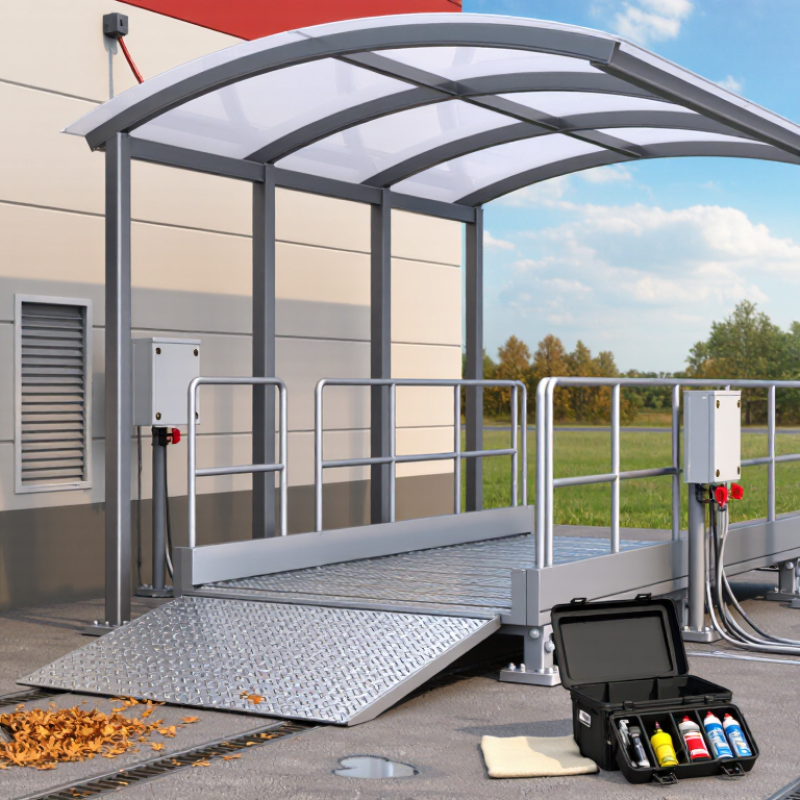
How to Weatherize an Outdoor Wheelchair Lift in 2026?

Weatherproofing Risks and Seasonal Needs for Outdoor Wheelchair Lifts

How to Weatherize an Outdoor Wheelchair Lift in 2026?

Outdoor wheelchair lifts face rain, snow, ice, wind, heat, and airborne grit. These hazards can corrode fasteners, freeze hinges, damage controls, and reduce traction on platforms. NOAA’s National Centers for Environmental Information recorded 28 billion-dollar weather disasters in the United States during 2023. Extreme conditions are becoming harder to treat as rare events.

Seasonal inspections should match local exposure. Before winter, remove leaves, test drainage, protect exposed electrical connections, and check ice-sensitive moving parts. A platform must stop safely when water freezes around its travel path. In spring, inspect rust beneath the platform and examine seals for cracking. Summer heat can dry lubricants and weaken plastic covers. Use only materials approved for the lift’s design.

Wind deserves attention. ASCE 7-22 provides wind-load criteria used in structural design, but an installed lift still needs site-specific review. Loose covers can become hazards. Snow can also overload ramps, gates, or nearby structures. NOAA climate normals can help estimate recurring temperature and precipitation patterns for a service location.

A practical inspection is not perfect. A clean cover may hide moisture underneath. Technicians should record unusual noise, delayed movement, water marks, and control faults. Keep the manual accessible, and schedule qualified servicing before severe weather arrives. Small oversights matter.

Inspecting the Lift Before Applying Weather Protection

How to Weatherize an Outdoor Wheelchair Lift in 2026?

Inspecting the Lift Before Applying Weather Protection

Before adding covers or sealants, inspect the lift in dry daylight. Check the platform, rails, fasteners, and support posts for rust, cracks, loose joints, or standing water. Run the lift through one full cycle and listen for scraping, uneven movement, or a motor that sounds strained. Examine wiring and control enclosures for cracked seals or moisture marks. The ASME A18.1 safety standard covers platform lifts, so maintenance should follow the equipment’s applicable instructions and be handled by a qualified technician when repairs are needed. A weather cover cannot fix a worn component.

Corrosion deserves attention. The 2013 NACE IMPACT study estimated corrosion costs at US$2.5 trillion globally, or about 3.4% of world GDP. That figure covers many industries, not wheelchair lifts specifically, but it shows why small rust spots should not be ignored. Photograph defects before cleaning, and note where water collects after rain. I once overlooked a damp patch beneath a control box; it was easy to dismiss, but worth checking again.

Tips: Use a flashlight to inspect beneath the platform. Clear leaves from drainage paths, then let the lift dry before applying protection. Avoid coating sensors, moving joints, or electrical connections unless the manufacturer’s instructions allow it. If you are unsure, pause. A second inspection can catch what the first missed.

How to Weatherize an Outdoor Wheelchair Lift in 2026?

Inspecting the Lift Before Applying Weather Protection

These approximate planning estimates show how long a basic pre-weatherization inspection may take. Check the platform and rails, controls, wiring, moving parts, drainage, and manufacturer instructions before applying covers or protective products. Never coat electrical components or moving mechanisms unless the lift’s instructions specifically allow it.

Shielding the Platform, Controls, Motor, and Electrical Connections

Cold rain finds small gaps. Wind drives it under a platform lip, where grit can collect and freeze. Weatherize the deck with a manufacturer-approved, slip-resistant surface and keep drainage paths clear. Avoid loose mats; their edges can curl into trip hazards. NOAA’s U.S. Climate Normals use 30-year records to describe local temperature and precipitation patterns. Check your area’s normals before choosing covers or planning seasonal inspections.

Controls, motor, and electrical connections need different protection. Use only an enclosure rated for the exposure; NEMA 250 Type 3R covers protection against falling rain, but does not mean waterproof. Keep control buttons visible and reachable, and never seal vents or wrap a motor tightly. Trapped heat and moisture can cause trouble. Inspect cable glands, conduit entries, and connector seals for cracks, corrosion, or loose fittings. Turn off power before cleaning, and have a qualified technician assess damaged wiring. After a freeze, check that the platform moves freely before use. I would not assume a dry-looking control box is sound; condensation can hide inside. That part is easy to miss.

How to Weatherize an Outdoor Wheelchair Lift in 2026? - Shielding the Platform, Controls, Motor, and Electrical Connections

Lift Area Weather Exposure Weatherization Action Inspection or Maintenance Safety Consideration
Platform and entry points Rain, standing water, snow, ice, and tracked-in debris can reduce traction or obstruct movement. Keep the platform, ramp, and approach clear of snow, leaves, and debris. Check that drainage paths remain open. Use only a traction treatment permitted by the lift and surface manufacturers. Check before each use during freezing or stormy weather; clean as needed. Do not operate the lift when the platform or approach is slippery or obstructed. Do not drill drainage holes or add surface materials that could interfere with moving parts.
Platform cover or shelter Direct precipitation and prolonged sun exposure can accelerate wear on exposed surfaces. Where practical, use a roof or shelter that sheds water and snow away from the lift. If using a fitted cover, choose one compatible with the lift and remove it before operation. After storms, check for accumulated snow, water, or windblown debris around the lift. Keep covers and shelter supports clear of the platform path, sensors, gates, and emergency access points. Do not enclose the lift in a way that traps moisture or restricts ventilation.
Controls and call stations Rain, condensation, ice, and snow may affect exposed buttons, switches, or control housings. Confirm that control housings, seals, and protective covers are intact and designed for the installed location. Keep buttons and surrounding surfaces clean and dry. Inspect for cracks, loose covers, water entry, or controls that stick or respond inconsistently. Do not spray water into controls or use a control that appears wet or damaged. Arrange service if operation is abnormal.
Motor, drive, and moving parts Moisture, windblown debris, corrosion, and ice can affect exposed mechanical or drive components. Keep the area around the drive clear and ensure any factory-installed guards remain in place. Follow the lift manual for lubrication and corrosion-care requirements. Look for unusual noise, visible corrosion, loose guards, or restricted movement; follow the manual’s service schedule. Never apply lubricant, de-icer, or protective coating to drive components unless the manufacturer specifies it. Keep hands and tools away from moving parts.
Electrical connections and wiring Water intrusion, damaged insulation, corrosion, and loose connections can create electrical hazards or interrupt operation. Visually check accessible conduit, cable jackets, glands, and enclosures for damage or gaps. Keep electrical enclosures closed and their seals undisturbed. Have a qualified technician assess damaged wiring, corrosion, water intrusion, or recurring electrical faults. Do not open electrical enclosures, splice wiring, or apply grease or sealant to connections unless directed by the lift documentation and performed by a qualified person.
Base, mounting area, and drainage Runoff, pooling water, freeze-thaw cycles, and soil movement can affect the lift’s mounting area. Keep drains and nearby runoff paths clear so water does not collect around the base. Maintain the installation area as specified in the lift documentation. Check after heavy rain, snowmelt, or visible ground movement for pooling, cracking, or changes in alignment. Do not alter anchors, foundations, or structural supports as a weatherization measure. Refer movement or damage to a qualified lift professional.
Seasonal readiness Cold weather may bring snow, ice, condensation, or conditions outside the lift’s permitted operating range. Review the operating and storage limits in the lift manual before severe-weather periods. Keep the manual and emergency contact information accessible. Arrange inspection and servicing at the intervals stated in the manual, and after significant damage or abnormal operation. Do not use the lift if it is damaged, obstructed, or operating unpredictably. Follow the manual’s emergency and power-isolation instructions.

Important: Weatherization steps must not conflict with the lift’s installation and operating instructions. When a required limit, material, or procedure is unclear, consult the lift documentation or a qualified service professional.

Preventing Water, Ice, Snow, and Corrosion During Operation

Rain, melting snow, and road spray can collect around an outdoor wheelchair lift’s platform, hinges, and track. Keep drainage openings clear, and remove wet leaves before they block runoff. Check the surrounding ground, too; puddles near the base can freeze overnight. Small details matter.

Brush snow away with a soft broom before operating the lift. Do not force a platform or gate that feels stuck, and never chip ice from moving parts with a metal tool. Ice changes everything. Before each use in freezing weather, look for slick surfaces, blocked paths, loose covers, and unusual noises. If the lift moves unevenly or a safety feature fails, stop using it and contact a qualified service technician.

Use only cleaning products or deicers that the lift’s manual permits. Some chemicals can damage finishes, seals, or electrical components, and salt residue may speed corrosion. Wipe away moisture from accessible surfaces with a dry cloth, without opening electrical enclosures. Inspect exposed fasteners and painted areas for rust, peeling, or standing water; report damage rather than covering it up. A routine can miss a hidden problem, so seasonal professional inspections still matter.

Testing, Maintaining, and Storing the Lift Through Changing Seasons

How to Weatherize an Outdoor Wheelchair Lift in 2026?

Test the lift before each season changes, using the operating and inspection steps in its manual. Check platform edges, fasteners, rails, controls, and wiring for rust, cracks, loose parts, or trapped leaves. Run the lift through a complete cycle without a rider, then confirm gates and safety features work as specified.

NOAA’s 2024 U.S. Billion-Dollar Weather and Climate Disasters report recorded 27 costly weather events. That figure does not predict local conditions, but it is a useful reminder to prepare for storms, heavy rain, and temperature swings.

After rain or snow, clear standing water and debris with a soft cloth. Keep drainage openings clear. Avoid pressure washing, and use only cleaning products and lubricants approved in the manual. Before freezing weather, check for ice around the platform and access path; never force a frozen component.

A fitted cover may help when the lift is idle, but it must not block drainage or controls. If the unit is designed to be removed for storage, follow its prescribed steps and protect batteries as directed. Covers can trap moisture. That detail is easy to overlook.

Tips: Keep a dated inspection log, note unusual sounds, and arrange qualified service if movement becomes jerky or a safety feature fails. A quick wipe is helpful, but it does not replace inspection.

FAQS

What should I check before winter?

Clear leaves from drainage paths and inspect exposed connections, seals, and moving parts. Check for ice near the platform. Small gaps matter.

How can I protect the platform from rain and grit?

Use a lift-approved, slip-resistant surface and keep drainage openings clear. Avoid loose mats; curled edges can cause trips.

Is a weather cover enough to protect the lift?

Not always. Choose a fitted cover approved for the lift, and keep controls and drainage uncovered. Covers can trap moisture underneath.

How should I protect the controls and motor?

Inspect seals, cable entries, and connectors for cracks, corrosion, or loose fittings. Never wrap the motor tightly or block its vents.

What should I do after freezing weather?

Check that ice is clear from the platform and travel path. Do not force frozen parts. Confirm the lift moves freely before use.

How often should I test the lift?

Test it at each seasonal change, following the manual. Run one complete cycle without a rider, then check gates and safety features.

Can I pressure-wash or use any lubricant on the lift?

No. Use a soft cloth and only cleaning products or lubricants approved in the manual. A quick wipe is not an inspection.

When should a technician inspect the lift?

Arrange qualified service for damaged wiring, jerky movement, unusual sounds, or failed safety features. Keep dated notes; memory can be patchy.

Conclusion

How to weatherize an outdoor wheelchair lift begins with understanding the demands of each season. Rain, snow, ice, temperature changes, and moisture can affect the platform, controls, motor, and electrical connections. Before adding protection, inspect the lift for wear, loose parts, blocked drainage, damaged seals, or signs of corrosion. Addressing existing issues first helps ensure that weatherproofing does not conceal a maintenance problem.

Use suitable covers and protective measures without blocking moving parts, ventilation, controls, or safety features. Keep the platform clear of water, snow, and ice, and check that electrical areas remain dry and connections are protected. During changing seasons, test the lift’s operation and safety features, clean away debris, and arrange regular maintenance. When the lift will not be used for an extended period, follow its care instructions for storage and check it again before returning it to service.

Liam

Liam

Liam is a dedicated marketing professional with a profound expertise in the industry, where he excels at highlighting the unique advantages of our core products. With a keen understanding of market trends and consumer needs, Liam frequently updates our company’s professional blog, providing......