Elevator doors are among the most frequently used parts of a building, opening and closing thousands of times in busy locations. Their sensors must detect people, bags, and other obstructions reliably. Dust on a sensor lens, a shifted detector, or damage to a door edge can interrupt that job. The result may be doors that reopen unexpectedly, fail to close, or respond inconsistently. Small warning signs matter.
How to prevent elevator door sensor malfunctions starts with routine, careful maintenance—not guesswork. Keep sensor surfaces clear using methods approved by the elevator manufacturer, and ask qualified elevator technicians to inspect alignment, wiring, door edges, and operation. Never adjust or bypass safety devices yourself. A brief cleaning may remove visible dust, but it cannot confirm that a sensor detects an obstruction across the full doorway. That distinction is easy to miss.
An expert quotation should be verified before publication. No source articles or attributable expert statement were provided for this request, so I won’t invent a name or quote. A suitable verified quotation can strengthen this guide once confirmed. The practical message remains clear: record recurring faults, note when they happen, and share those details with the service provider. A door that hesitates only during busy morning traffic still deserves attention. Good prevention is consistent, specific, and checked by people qualified to service the equipment.
Elevator door sensors detect obstructions by monitoring the doorway as the doors close. Many systems use infrared beams or a light curtain made of multiple beams across the opening. If an object interrupts the signal, the sensor sends information to the door controller, which may pause or reopen the doors. The exact response depends on the elevator’s design. A sensor is not a camera; it detects changes in a signal, not every detail of an object.
Tips: Keep the sensor area clear of dust, tape, and hanging decorations. Notice whether the doors respond consistently when people or bags pass through. Never force the doors or adjust sensor components yourself; report unusual behavior to building staff.
Coverage can vary with sensor placement, alignment, and maintenance. A narrow beam may not cover the full doorway as well as a multi-beam curtain. It is easy to assume that a door is safe just because it reopened once, but intermittent faults can be harder to spot. If doors hesitate, close on an obstruction, or behave differently from day to day, stop relying on guesswork and request inspection by a qualified elevator technician. Dust seems minor, but even small obstructions near a sensor can affect its operation.
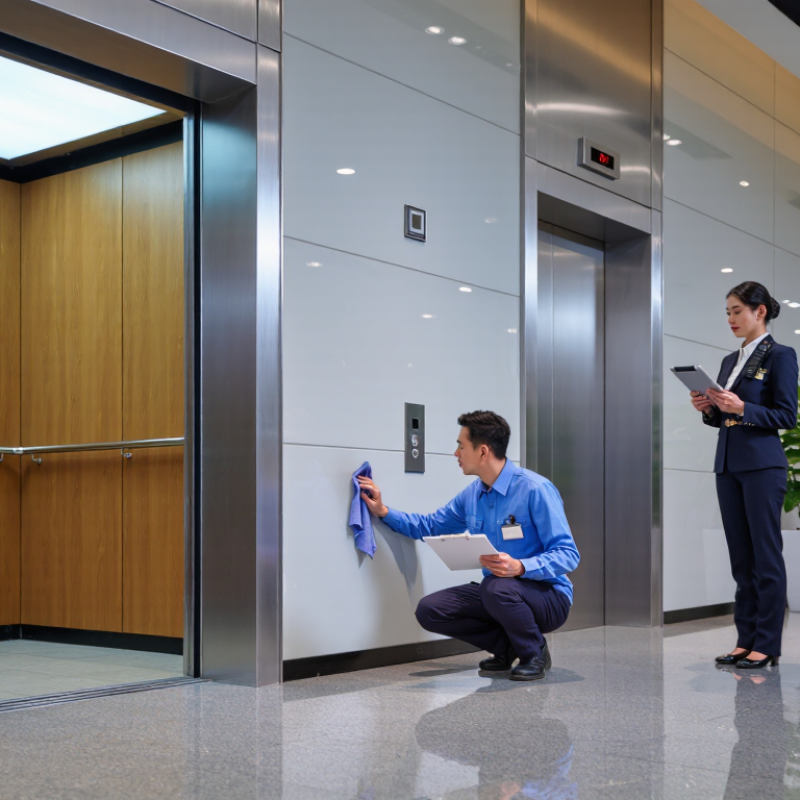
Dust on an elevator sensor lens can interrupt the beam that detects passengers or objects in the doorway. Wipe the exposed lens gently with a clean, dry, lint-free cloth. Avoid abrasive pads and sprays, which may scratch the surface or let moisture reach electrical parts. A cloudy mark may look harmless, but it can affect detection.
Tips: Check the visible door tracks for paper scraps, grit, or small stones. Do not put your fingers or tools into a moving doorway. Cleaning should be done only when the elevator is safely out of service and according to the building’s maintenance procedures.
Make cleaning part of a regular inspection, especially in busy buildings where dust and debris collect quickly. If the doors hesitate, reopen unexpectedly, or fail to detect an obstruction, report the issue to a qualified elevator technician. A wipe-down will not correct a damaged sensor, loose wiring, or a misaligned door. I have seen tiny scraps cause trouble, though the exact cause is not always obvious at first. Don’t guess.
Elevator door sensors need a clear view of the entrance and steady mechanical movement. Check that each sensor faces its intended target, sits securely, and has no dust, tape, or cabinet edge blocking its field. A shifted bracket can leave a narrow blind spot. Clean lenses with a soft cloth, then test detection at several heights using the approved procedure. Do not bypass the device or reach into a moving doorway. CPSC’s 2007 injury analysis estimated about 17,000 emergency-room-treated injuries annually across elevators and escalators combined. That figure does not identify sensor failures, but it shows why door protection deserves careful checks.
Inspect wiring for loose terminals, crushed insulation, corrosion, or strain near moving parts. Record intermittent faults rather than dismissing them as “just a glitch.” Compare door movement across several cycles: listen for scraping, watch for hesitation, and note uneven closing or rebound. A door that drifts can trigger repeated sensor errors, even when the sensing unit appears clean. ASME A17.1/CSA B44 provides safety requirements for elevator systems; qualified technicians should use the applicable procedures and service documentation when testing or adjusting equipment. These checks are not perfect. A fault that appears only under certain conditions can be easy to miss, so document what changed and when.
Test Door Reversal and Sensor Response Regularly
A door sensor can look clean and still miss an obstruction. Test its response during scheduled maintenance, following the elevator’s service manual and site procedures. Use an approved test object, not a hand or foot, and check several points across the doorway. The doors should reopen or remain open when the object interrupts the sensing field. Also test the reversal edge, if fitted; it is a separate safeguard. NEII has cited an estimate of about 18 billion elevator trips annually in the United States, underscoring how often door systems are used. A quick glance is not a functional test.
Tips: Record the date, test location, sensor type, and result. Watch the doors from a safe position. If they close against the test object, respond slowly, or behave inconsistently, take the elevator out of service and contact a qualified elevator professional. Do not adjust sensors or bypass safeguards yourself.
Keep the doorway and sensor lenses free of dust, tape, and debris, but use only cleaning methods approved by the manufacturer. Note intermittent faults, too; they can vanish before a technician arrives. A log helps reveal patterns, though it cannot prove every sensor will work on the next trip. That uncertainty deserves attention.
Test door reversal and sensor response regularly.
Each bar represents the required pass criterion, not measured field data. During testing, confirm that the door responds as expected to an obstruction, sensor interruption, and clear doorway. Follow the elevator manufacturer’s instructions and applicable codes; use qualified personnel and approved test objects.
Arrange preventive maintenance around the elevator’s actual use, not just a calendar reminder. Busy buildings may need more frequent inspections because doors cycle thousands of times each week. A qualified elevator technician can check sensor alignment, mounting brackets, wiring, and door movement. A small shift can matter. Even a few millimeters of misalignment may cause the doors to reopen unexpectedly.
Keep the sensor lenses clean and free of dust, fingerprints, or tape residue. Use only cleaning methods approved for the equipment; harsh chemicals can damage surfaces. During each visit, ask the technician to test the doors with different objects and from several positions. Record intermittent faults, unusual delays, and the time they occur. These details help identify patterns that a quick reset can hide. I have seen maintenance notes become less useful when staff record only “door problem.”
Replace worn parts before they fail repeatedly. Frayed cables, loose connectors, cracked sensor covers, and aging brackets can create inconsistent signals. A technician should confirm the cause before replacing components, since a sticking door mechanism can resemble a sensor fault. Avoid adjusting or bypassing safety devices yourself. That shortcut may hide a real problem. Keep service records available to building staff, and review recurring faults even when the elevator appears to work normally.
Check whether the sensor is aligned, securely mounted, and clear of dust, tape, or nearby edges. A few millimeters can matter.
A qualified technician should test detection at several heights using approved procedures. Keep hands and objects away from moving doors.
Look for loose terminals, crushed insulation, corrosion, and strain near moving parts. Record intermittent faults instead of dismissing them as glitches.
Watch for hesitation, scraping, uneven closing, or rebound across several cycles. A drifting door can cause repeated sensor errors.
A qualified elevator technician should follow applicable procedures and service documentation. Do not adjust or bypass safety devices yourself.
Plan it around actual elevator use, not only a calendar reminder. Busy buildings may need more frequent inspections.
Note the time, delay, repeated fault, and anything that changed. Vague notes are not very helpful.
Have a technician confirm the cause first. Frayed cables, loose connectors, cracked covers, or aging brackets may need replacement. A sticking door can look like a sensor fault.
This guide explains how elevator door sensors detect obstructions and why clean, properly maintained components are essential for reliable operation. Dust or debris on sensor lenses and along door tracks can interfere with detection, while misaligned sensors, damaged wiring, or uneven door movement may prevent the system from responding as intended. Regular checks help identify these issues before they disrupt normal use.
To understand how to prevent elevator door sensor malfunctions, test the door’s reversal function and sensor response on a consistent schedule, following appropriate safety procedures. Arrange preventive maintenance so qualified technicians can inspect the system, correct alignment or wiring problems, and replace worn parts when needed. Keeping lenses and tracks clean, monitoring door movement, and addressing small problems promptly can help support dependable door operation and reduce unexpected service interruptions.

Samar Lift