7 Tips What Are the Pros and Cons of Vacuum Elevators?

Time:2026-10-26 Author:Mason
0%

What are the pros and cons of vacuum elevators? This question matters more as homeowners seek compact, energy-conscious mobility solutions. Unlike conventional elevators, vacuum models move through air pressure changes inside a transparent cylindrical shaft. The experience can feel futuristic: a quiet cabin rises beside a staircase, revealing each floor through curved glass.

Industry reports provide useful context, but they rarely isolate vacuum elevators as a separate market category. Fortune Business Insights projects continued growth in the global elevator market, driven by urbanization, accessibility needs, and modernization. Grand View Research also identifies energy efficiency and space-saving design as important innovation trends. These findings support interest in vacuum technology, but they should not be treated as proof that every home benefits from installation.

Dr. Lee Gray, an elevator historian and industry educator, has observed, “The elevator is a machine that changes the relationship between people and buildings.” That perspective fits vacuum elevators particularly well. They may require less structural work, use a narrow footprint, and offer strong visual appeal. Yet their limitations deserve equal attention. Capacity can be modest. Travel speed is usually lower than conventional systems. Noise, sealing maintenance, emergency procedures, and local accessibility requirements also need careful review.

The practical answer is not simple. A vacuum elevator may suit a renovated home with limited space, but it may disappoint a busy multi-story property. Manufacturer claims also deserve independent checking. This guide examines seven practical considerations, including installation, operating cost, safety, comfort, maintenance, accessibility, and long-term value. When comparing models, measured performance matters more than polished showroom impressions.
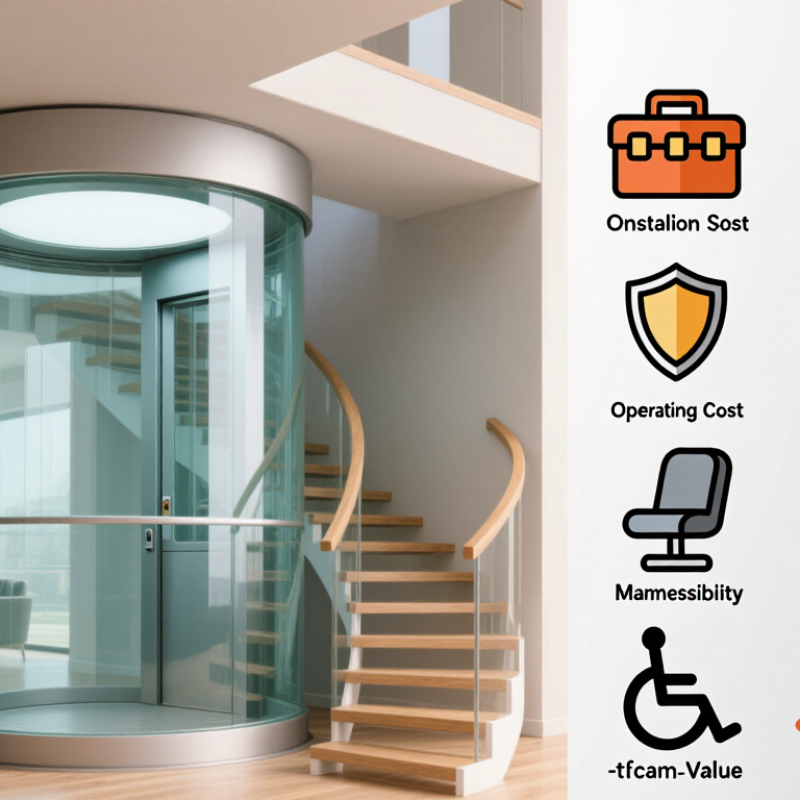
7 Tips What Are the Pros and Cons of Vacuum Elevators?

Vacuum Elevator Basics: Air Pressure, 0.15–0.3 m/s Speed, and 3–5 Stops

Vacuum elevators move a cabin through a sealed tube using air-pressure differences. A pump removes air above the cabin, while higher pressure below pushes it upward. During descent, controlled air admission allows gravity to lower the cabin. Typical speed ranges from 0.15–0.3 m/s, equal to 9–18 m/min. That feels gentle. At three to five stops, each landing adds sealing, alignment, and control requirements.

Tip one: request measured travel time, not only the advertised speed.

Tip two: check rated capacity with several passengers inside.

A major advantage is reduced structural work compared with many conventional lift installations. Some designs need less excavation, which can help retrofit projects. Natural light can also make the tube feel less enclosed. The drawbacks are practical. Pump noise may be noticeable near bedrooms. Cabin capacity is often limited. Door seals and filters need regular inspection.

Tip three: ask for pump noise readings.

Tip four: confirm emergency lowering behavior.

Tip five: calculate standby and travel electricity.

The International Energy Agency’s Energy Efficiency 2023 report states that buildings use about 30% of global final energy. That figure is not elevator-specific, but it exposes a common oversight: small equipment still affects household consumption.

For five stops, measure the full shaft height and expected daily trips.

Tip six: inspect service access before construction.

Tip seven: demand a written maintenance schedule.

EN 81-20 and ASME A17.1/CSA B44 offer useful safety references, but applicability varies by location and elevator design. A pressure-based system can appear simple. It is not maintenance-free. Be skeptical of perfect performance claims. Real homes have dust, temperature changes, and imperfect sealing.

Capacity and Accessibility: Comparing 205–450 kg Industry Ratings

Vacuum elevators are often praised for compact installation and clear cabin walls. When comparing 205–450 kg industry ratings, capacity changes the accessibility conversation. A 205 kg cabin may suit one wheelchair user with light luggage. That sounds adequate. Yet a wheelchair, caregiver, and groceries can quickly approach the limit. The rated load includes every person and item inside the cabin.

A 450 kg model offers more practical flexibility, but higher capacity does not automatically mean better access. Check the cabin’s internal width, door clearance, turning space, threshold height, and handrail position. A heavy power wheelchair may fit by weight but fail by dimensions. Controls should remain reachable from a seated position. Emergency communication, lighting, and backup lowering also deserve close inspection. These details are easy to overlook during a showroom visit.

For homes, clinics, or small commercial buildings, ask an installer to test the actual mobility device inside the cabin. Bring its measured width, length, and turning needs. Confirm whether the stated rating applies during normal operation, not only under controlled testing. Vacuum systems can reduce construction work, yet some users may notice operating noise or slower travel. A larger cabin may also require different structural support and floor planning. I would not choose from capacity alone; real access can expose weaknesses that a specification sheet hides. Industry ratings vary, so verify technical documents and applicable accessibility requirements before approval.

Energy Efficiency: Evaluating Approximately 3.7 kW Upward-Travel Demand

Energy Efficiency: Evaluating Approximately 3.7 kW Upward-Travel Demand

A vacuum elevator may require approximately 3.7 kW while travelling upward. That figure describes power demand, not total energy consumption. A 30-second ascent would use about 0.031 kWh before control losses and standby electricity. Ten similar trips could therefore consume roughly 0.31 kWh. The calculation looks encouraging, but real performance depends on cabin load, travel height, seals, and operating frequency.

ISO 25745-2 evaluates lift energy through movement, standby, and auxiliary consumption. This matters because a short trip can still involve long idle periods. CIBSE Guide D indicates that lifts may represent approximately 2% to 10% of a building’s electricity use, depending on building type and traffic. A lightly used home elevator may stay near the lower end, while frequent daily travel changes the result. Downward movement can require less motor energy because gravity assists the cabin.

My first estimate was too optimistic.

Actual measurements should use a plug-in power meter or certified monitoring equipment. Record the starting load, ascent time, standby draw, and passenger weight. A 3.7 kW rating may also represent peak input rather than average consumption. That distinction is easy to miss. Installers and facility engineers should compare measured kWh per trip against the manufacturer’s duty-cycle data and ISO 25745-2 testing methods. Efficient upward travel is valuable, but standby losses can quietly weaken the advantage.

Installation Pros: Shaft-Free Design and Typical 1–2-Day Setup

A shaft-free vacuum elevator can simplify residential installation because it uses a self-supporting transparent tube. Traditional masonry, deep excavation, and a separate machine room may be unnecessary. However, “shaft-free” does not mean construction-free. The installer still needs accurate floor openings, enough overhead clearance, a stable landing area, and suitable electrical service.

Industry guidance often describes a typical installation as taking one to two days when the site is prepared. That estimate is realistic for a compact home lift with clear access and completed flooring. It can change quickly. Reinforcing a slab, moving wiring, or correcting uneven floors may add several days. In my view, the two-day claim is useful, but it needs conditions attached.

The U.S. Department of Energy’s Building Technologies Office reports that elevators can represent roughly 2–10% of energy use in commercial buildings. A smaller residential unit usually has a lower impact, especially because vacuum systems operate intermittently. Still, owners should ask about standby consumption and motor efficiency. ASME A18.1 provides safety requirements for private residence lifts and platform lifts, but local approval remains essential. The real advantage is less structural disruption. The overlooked drawback is planning accuracy. A rushed survey can turn a neat installation into an expensive correction.

Limitations and Safety: Noise, Maintenance, Travel Height, and Long-Term Costs

Vacuum elevators can suit compact homes, but their limits deserve careful attention.

Tip: Stand beside a working unit before buying. The pump may produce a steady hum, especially during upward travel. In a quiet hallway, that sound can feel surprisingly noticeable.

Tip: Ask for measured decibel readings, not vague claims. I once underestimated noise after hearing a short showroom demonstration.

Tip: Check the permitted travel height and floor spacing with a qualified installer. Many residential systems serve fewer levels than conventional elevators. Extra height may require special engineering or become impractical.

Tip: Confirm emergency lowering during a power failure. The cabin should descend safely, and occupants should receive clear instructions.

Tip: Inspect door seals, rollers, brakes, and control systems regularly. Dust can affect moving parts. Small faults grow expensive.

Tip: Request a written maintenance schedule and realistic service costs. Vacuum pumps, seals, sensors, and batteries may need replacement over time.

Tip: Compare electricity use, inspections, repairs, and eventual modernization. The purchase price tells only part of the story.

Tip: Ask who can provide qualified service several years later. Availability may change. A low-maintenance claim can still hide costly delays.

Have the structure, ventilation, fire safety, and local compliance checked before installation. My early cost estimate was too optimistic. Account for that possibility.

FAQS

What does a 205 kg elevator rating include?

It includes every passenger and item inside the cabin. A wheelchair user, caregiver, and groceries may approach the limit quickly.

Is a 450 kg rating always better for accessibility?

No. Higher capacity does not guarantee easier access. Check door clearance, cabin width, turning space, and threshold height.

What should wheelchair users measure before choosing a cabin?

Measure the wheelchair’s width, length, and turning requirements. Test the actual device inside the cabin. A heavy chair may fit by weight but fail by dimensions.

Which interior details deserve close inspection?

Controls should be reachable from a seated position. Check handrail placement, lighting, emergency communication, and backup lowering. Showrooms can hide small problems.

Does a larger cabin require different building preparation?

It may require different structural support and floor planning. Ask an installer to confirm the required space and construction changes.

What does approximately 3.7 kW describe during upward travel?

It usually describes power demand, not total energy use. A 30-second ascent may use about 0.031 kWh before losses.

How can standby electricity affect efficiency?

Short trips may use little movement energy but remain idle for long periods. Standby demand can quietly reduce the expected savings. That part is easy to miss.

How should real energy performance be checked?

Record starting load, ascent time, standby draw, and passenger weight. Use certified monitoring equipment when possible. My first estimate was too optimistic.

Conclusion

What are the pros and cons of vacuum elevators? These compact residential lifts use air pressure to move a cabin between floors, typically at speeds of 0.15–0.3 m/s and across three to five stops. Their shaft-free design can simplify installation, with many projects completed in approximately one to two days. They may also require about 3.7 kW during upward travel, making them a potentially efficient option for homes with moderate usage. Available capacity ratings commonly range from 205 to 450 kg, allowing some models to support passengers, mobility equipment, or everyday household needs.

However, vacuum elevators also have limitations. Operating noise may be noticeable, and regular maintenance is necessary for seals, moving components, and pressure systems. Travel height and the number of stops are often more restricted than with conventional elevators. Buyers should also evaluate cabin size, accessibility, installation conditions, and long-term service costs rather than focusing only on the initial price. Overall, they can be practical for low-rise applications, but their suitability depends on the building, usage frequency, and user priorities.

Mason

Mason

Mason is a seasoned marketing professional with a deep expertise in the company's offerings and a passion for driving brand awareness. With a strong background in digital marketing strategies, he has an innate ability to connect with diverse audiences and effectively communicate product benefits.......