As the demand for efficient and innovative residential solutions grows, many buyers in 2026 are exploring vacuum elevators. These unique systems promise modern convenience and aesthetic appeal. However, potential buyers should carefully weigh their options. What are the pros and cons of vacuum elevators?
Vacuum elevators operate using air pressure differentials, allowing smooth lifting between floors. This technology not only saves space but also reduces energy consumption. Their contemporary design can enhance a home's interior. However, it’s essential to consider the installation costs and maintenance challenges associated with these systems.
Some users report satisfaction with their vacuum elevators, but others express concerns about reliability. It’s important to seek expert insights and real user experiences. This approach can help buyers make informed decisions. In the end, deciding on a vacuum elevator requires thorough reflection on both its advantages and potential drawbacks.
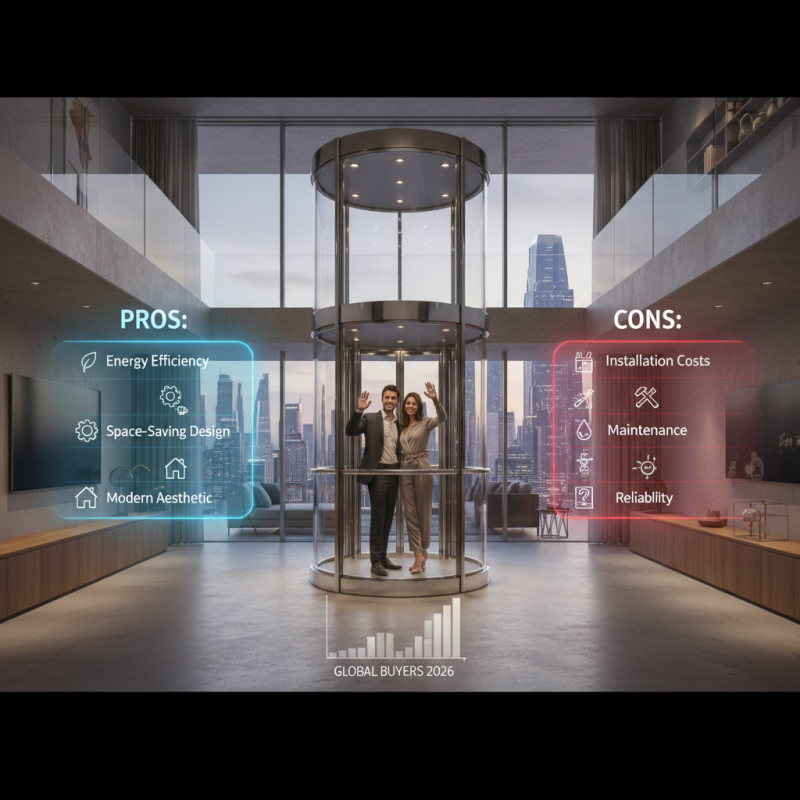
The vacuum elevator market is set for significant growth by 2026. These elevators use air pressure to lift and lower passengers, providing a unique transportation solution. They are especially appealing for residential settings due to their compact design. Many buyers appreciate the space-saving aspect and modern aesthetics. However, limitations exist, such as higher initial costs compared to traditional systems.
Key statistics indicate a potential increase in demand as urbanization continues. With more people living in multi-story buildings, the need for efficient elevators grows. Sustainability is also a major concern, and vacuum elevators boast lower energy consumption levels. This is attractive to environmentally conscious consumers. However, buyers should consider maintenance needs, as specialized service can be required.
Market analysts project a diverse range of buyers, from individuals to businesses. The appeal is broad, yet some may hesitate due to installation challenges. It’s crucial for prospective buyers to weigh benefits against potential setbacks. The vacuum elevator market will likely evolve, reflecting changing consumer needs and technological improvements. This creates an exciting landscape for buyers in 2026 and beyond.
Vacuum elevators are gaining traction worldwide for their unique benefits. Their cost efficiency should be carefully analyzed for potential buyers in 2026. These elevators operate without cables or pulleys, resulting in reduced installation costs. According to a recent industry report, installation costs can be 20% lower than traditional elevators. This factor makes them attractive for residential use, especially in multi-story homes.
However, the long-term financial implications must not be overlooked. Maintenance costs, while generally lower, can vary significantly based on usage patterns. Reports indicate that vacuum elevators have a lower energy consumption rate, leading to savings in utility bills. Still, some owners noted occasional performance issues, which can result in unexpected repair expenses. Regular servicing is crucial to avoid these pitfalls.
The initial purchase price of vacuum elevators can be high, potentially deterring some buyers. Yet, the durability and reduced energy expenses often justify the investment. On average, the break-even point can be reached within five years for many users. Understanding these financial dynamics ensures that consumers make informed decisions based on both immediate costs and long-term benefits.
Vacuum elevators are gaining popularity, but safety standards vary significantly worldwide. For buyers in 2026, understanding these regulations is crucial. Compliance with local codes ensures the elevators operate safely and efficiently. Buyers must check certifications and local requirements before making a purchase. This prevents potential hazards and avoids costly renovations later.
Many countries have specific guidelines for installation and operation. Some regions mandate regular inspections and maintenance. Non-compliance can lead to severe penalties. Additionally, safety features like emergency brakes and alarms are essential. However, some elevator models may lack these critical components. Buyers should prioritize safety features when making decisions.
It’s important to remain informed about evolving regulations. Standards can change frequently, affecting future installations. Consulting with experts can provide clarity. Ultimately, thorough research and understanding will lead to safer choices in vacuum elevator purchases.
Vacuum elevators are gaining attention for their energy efficiency and minimal environmental impact. These systems use air pressure instead of cables and pulleys. This design significantly reduces energy consumption. They only require power during operation, making them eco-friendly compared to traditional elevators. Their unique mechanics lead to lower emissions throughout their lifecycle.
However, the benefits don’t come without considerations. Vacuum elevators may not always compete with conventional systems in speed. Users often report slower travel times. Maintenance can also raise questions. While they are generally low maintenance, issues can arise with air pressure systems. Over time, performance may decline if not monitored carefully.
Energy efficiency ratings are crucial for buyers. Understanding these ratings helps assess potential savings. Buyers must reflect on their long-term needs. Choosing the right elevator involves more than just energy savings. Considerations of space, installation, and future usage play significant roles. Environmental impact and energy efficiency are important, yet the entire picture must be examined closely.
In 2026, vacuum elevators are becoming increasingly popular among homeowners. Data from a recent industry report shows that over 60% of vacuum elevator owners prioritize user experience when selecting their lifts. Design plays a crucial role in their satisfaction. Many users appreciate the sleek, modern aesthetics that complement contemporary home designs.
User preferences reveal a strong inclination toward customization. Owners often seek unique finishes and colors that match their interiors. About 40% of respondents noted that flexibility in design significantly impacts their choice.
However, some challenges exist. Owners report difficulties with maintenance, as vacuum elevators require specific servicing that may not be readily available. Reliability is a key concern, with 30% of users expressing hesitation about long-term performance.
While vacuum elevators are praised for their space-saving capabilities, they are not without drawbacks. About 25% of users have experienced noise issues during operation. Additionally, some customers find the installation process complex and time-consuming.
As the market evolves, understanding these user experiences will be essential for manufacturers to enhance their offerings and address potential shortcomings.
: It ensures that elevators operate safely and efficiently, preventing potential hazards.
Buyers must verify certifications and local regulations to avoid costly renovations.
Many countries mandate inspections and maintenance to ensure compliance with safety standards.
Essential features include emergency brakes and alarms. Some models may lack these components.
Vacuum elevators may be slower, which is a consideration for potential users.
While low maintenance, issues with air pressure systems may arise if not monitored.
Ratings help assess potential energy savings and make informed long-term choices.
Factors like space, installation, and future usage are essential for a comprehensive assessment.
Changing standards may impact future installations, making it vital to stay informed.
Buyers need thorough research and understanding to ensure safer, informed decisions.
The article titled "Pros and Cons of Vacuum Elevators for Global Buyers in 2026" delves into the growing market for vacuum elevators, highlighting key statistics that suggest a positive trend in prospective market growth by 2026. It explores critical aspects regarding cost efficiency and the financial implications of installing vacuum elevators, providing a comprehensive analysis of their affordability relative to traditional elevator systems.
Furthermore, the article emphasizes the importance of safety standards and regulatory compliance, which varies across different regions. It also assesses energy efficiency ratings and the environmental impact of vacuum elevators, appealing to eco-conscious consumers. Finally, user experience and design preferences among existing vacuum elevator owners provide insight into customer satisfaction. Overall, the article answers the question, "What are the pros and cons of vacuum elevators?" by weighing their advantages in terms of convenience and cost against potential drawbacks like installation and maintenance challenges.

Samar Lift