How to Understand the Rising Popularity of MRL Elevators?

Time:2026-06-28 Author:Oliver
0%

The rise in popularity of MRL elevators is hard to ignore. Many buildings are opting for these machines, which do not require a separate machine room. According to industry expert Dr. Emily Carter, "The efficiency and space-saving design of MRL elevators align perfectly with modern architectural trends." This statement captures why MRL elevators are becoming more sought after.

As urbanization grows, space becomes a premium. MRL elevators take up less space, creating more room for building utility. Their energy-efficient technology also appeals to environmentally conscious developers. However, some traditionalists remain skeptical. They worry about the long-term reliability of MRL systems.

The question persists: Why are MRL elevators becoming more popular? Their advantages are clear, but challenges exist. Maintenance and repair require specific expertise, and that can be an issue in some areas. Decisions on elevators are often complex, reflecting deeper preferences and functional needs. Understanding these nuances will help stakeholders make informed choices in this evolving field.
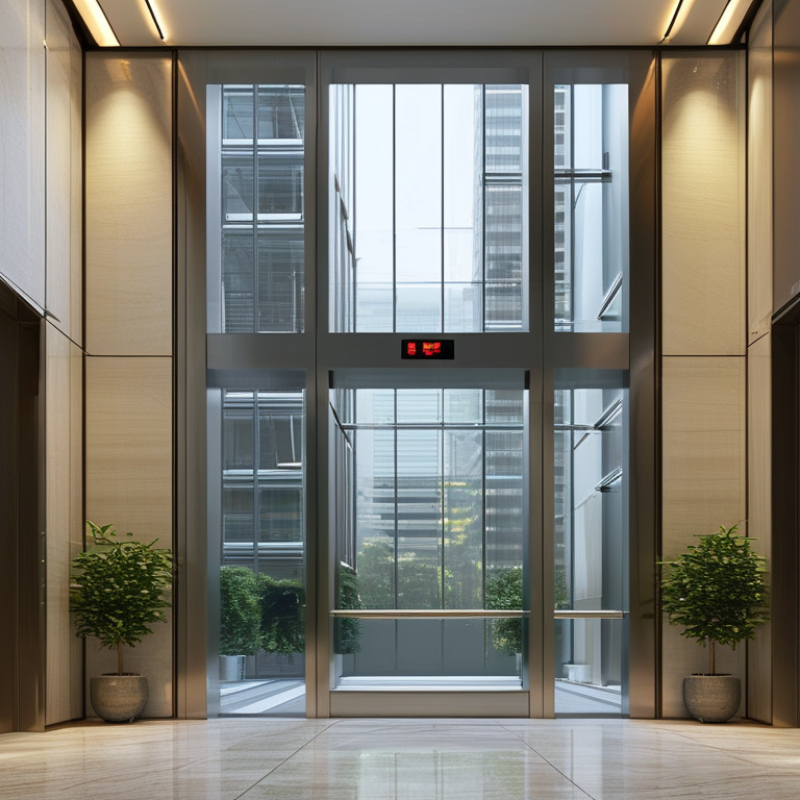
How to Understand the Rising Popularity of MRL Elevators?

Understanding MRL Elevators: Definition and Mechanism Overview

MRL elevators, or Machine Room-Less elevators, have gained significant traction in modern architecture. Their mechanism operates without a dedicated machine room, utilizing advanced technology to save space and enhance efficiency. This design means that all essential components are integrated into the elevator shaft, allowing for more flexible building layouts.

The popularity of MRL elevators stems from their compact size and energy efficiency. They require less power, which reduces operational costs. Built with fewer moving parts, MRL elevators can also lower maintenance needs, which appeals to both building owners and tenants.

Tip: When considering MRL elevators, evaluate your building's available space. Their design is most effective in smaller buildings, with heights typically between two and eight stories.

The mechanism features a traction drive, with a motor located directly above the lift shaft. This design can lead to smoother rides and faster travel times. However, it's crucial to note that improper installation may affect performance. Regular inspections are necessary to ensure safety and functionality.

Tip: Work with certified professionals for installation. Seek out companies with extensive experience in MRL technologies. They can help avoid pitfalls that may arise during setup.

Key Benefits of MRL Elevators: Space Efficiency and Energy Savings

MRL (Machine Room-Less) elevators are gaining traction in modern buildings. Their popularity stems from a combination of space efficiency and energy savings. According to a report by the International Elevator and Escalator Industry, MRL elevators can save up to 60% more space compared to traditional models. This attribute is especially beneficial in urban settings where every inch counts.

Energy efficiency is another compelling advantage. MRL elevators consume less energy due to advanced technologies, resulting in a reduction of operational costs by approximately 30%. This also translates to lower carbon emissions, supporting green building initiatives. With rising energy prices, such benefits are becoming increasingly attractive to developers and building owners alike.

Tip: To maximize the advantages of MRL elevators, consider their placement and the building's overall design. Efficient integration can enhance both functionality and aesthetic appeal. Additionally, regular maintenance is crucial. Neglecting this can lead to decreased efficiency over time, undermining the initial benefits. Always analyze the specific needs of your building to ensure MRL technology aligns with your goals.

Market Trends: Growth Statistics in the MRL Elevator Sector

The MRL elevator sector has witnessed significant growth in recent years. Market analysts report that this sector is expanding due to its efficiency and space-saving design. MRL, or machine-room-less elevators, eliminate the need for a separate machine room. This design not only saves building space but also reduces construction and maintenance costs.

Statistics reveal a steady annual growth rate in the MRL elevator market. Industry forecasts suggest a compound annual growth rate (CAGR) of over 7% in the coming years. This trend signals a shift towards modern architectural designs that prioritize efficiency and sustainability. However, while MRL elevators are gaining traction, some challenges remain. For instance, installation costs can be high, and specialized skills are necessary for maintenance.

Moreover, awareness of MRL technology is still growing among building developers. Many may lack comprehensive knowledge regarding the long-term benefits these elevators provide. Elevated training for installers and service technicians is vital for ensuring reliability. This investment in expertise often leads to better service and consumer confidence. As the market evolves, staying informed about these trends is crucial for stakeholders embracing this transition.

Comparative Analysis: MRL vs Traditional Elevator Systems

MRL (Machine Room Less) elevators are becoming increasingly popular. This trend is largely due to their energy efficiency and space-saving designs. Studies show that MRL elevators can reduce energy consumption by up to 50% compared to traditional systems. They eliminate the need for a separate machine room, which frees up valuable real estate in buildings.

In a comparative analysis, traditional elevators often require more maintenance. This can lead to higher long-term operational costs. MRL systems, by contrast, have fewer moving parts. Consequently, they offer a more reliable performance. But this doesn’t mean they are without drawbacks. For some installations, the lack of a machine room can complicate repairs and upgrades.

An industry report from an elevator association highlights that MRL technology is gaining a foothold in mid-rise buildings. The cost savings associated with less construction are appealing to developers. Yet, this technology may not be suitable for all scenarios, particularly in high-rise applications. Each system has its specific advantages and limitations. Thus, thoughtful evaluation is essential for making informed decisions in elevator selection.

How to Understand the Rising Popularity of MRL Elevators? - Comparative Analysis: MRL vs Traditional Elevator Systems

Feature MRL Elevators Traditional Elevators
Space Requirement Requires less space as no machine room is needed. Requires a dedicated machine room on top of the shaft.
Energy Efficiency More energy-efficient due to lower power consumption. Generally less energy-efficient with higher power requirements.
Installation Time Faster installation due to fewer components. Longer installation time due to the complexity of components.
Maintenance Cost Typically lower due to fewer moving parts. Higher due to more components needing regular upkeep.
Noise Level Quieter operation due to the absence of a machine room. Can be noisier due to the machine room and operating mechanisms.
Design Flexibility Allows for greater design flexibility in building architecture. Less design flexibility due to the need for a machine room.

Future Innovations: Advancements in MRL Elevator Technology

The world of MRL (Machine Room-Less) elevators is rapidly evolving. Innovations in technology drive this change. New developments focus on energy efficiency and design flexibility. These elevators save space and reduce energy consumption. Improved controls have also enhanced system performance.

One of the most exciting advancements is the integration of smart technology. Elevators can now communicate with other building systems. This raises efficiency levels significantly. In addition, predictive maintenance features help reduce downtime. However, not all systems are foolproof. Some may still face challenges in adapting to older buildings.

Sustainability remains a key concern. MRL elevators use fewer resources compared to traditional systems. Yet, the manufacturing processes still have a carbon footprint to consider. Designers strive for better materials, but it's an ongoing challenge. As the industry pushes forward, users must stay informed. Understanding these nuances will help navigate future developments.

Understanding the Rising Popularity of MRL Elevators

This chart illustrates the growing adoption of Machine Room-less (MRL) elevators over the last decade, highlighting the key factors influencing their popularity in the construction and architecture sectors.

FAQS

: What are MRL elevators?

: MRL elevators, or Machine Room-Less elevators, operate without a dedicated machine room. They save space by integrating components into the shaft.

Why are MRL elevators popular?

Their compact size and energy efficiency make them appealing for modern buildings. They lower operational costs, which benefits owners and tenants.

What is the typical height range for MRL elevators?

They work best in buildings between two and eight stories. This design ensures effectiveness in smaller structures.

How do MRL elevators operate?

They use a traction drive, with a motor placed above the lift shaft. This feature leads to smoother rides and faster travel times.

What are the maintenance needs of MRL elevators?

MRL elevators generally require less maintenance due to fewer moving parts. However, regular inspections are still necessary for safety.

What should I consider for MRL elevator installation?

Work with certified professionals experienced in MRL technologies. Proper installation is crucial for performance and avoiding issues.

How much space can MRL elevators save?

MRL elevators can save up to 60% more space compared to traditional models, which is vital in urban areas.

How do MRL elevators contribute to energy savings?

They consume less energy due to advanced technology, potentially lowering costs by around 30% and reducing carbon emissions.

What can happen if maintenance is neglected?

Neglecting maintenance can lead to decreased efficiency over time, undermining initial benefits of MRL technology.

How important is building design for MRL elevators?

Proper placement and integration into the building's design enhance functionality. Analyze specific needs for optimal results.

Conclusion

The rising popularity of MRL (Machine Room-Less) elevators can be attributed to several key factors that redefine modern vertical transportation. Firstly, the unique design of MRL elevators eliminates the need for a separate machine room, resulting in significant space efficiency, which is particularly valuable in urban developments where every square foot counts. Additionally, these elevators are engineered for enhanced energy savings, aligning with the growing emphasis on sustainability in construction.

Market trends highlight a noticeable growth in the MRL elevator sector, driven by increasing awareness of their benefits. In comparative analyses, MRL elevators showcase advantages over traditional systems, such as reduced installation costs and simpler maintenance needs. As technology advances, innovations in MRL elevators promise further improvements in performance and eco-friendliness, making it clear why are MRL elevators becoming more popular in contemporary architecture and infrastructure.

Oliver

Oliver

Oliver is a seasoned marketing professional with a wealth of expertise in driving brand awareness and engagement. With a deep understanding of our company's product offerings, he consistently delivers high-quality content that enriches our professional blog. His insights not only shed light on......