Modernizing an old apartment elevator can significantly enhance functionality and aesthetics. Many older elevators struggle with efficiency and safety. This can lead to resident frustration and potential hazards. Therefore, learning how to modernize an old apartment elevator is crucial for property owners.
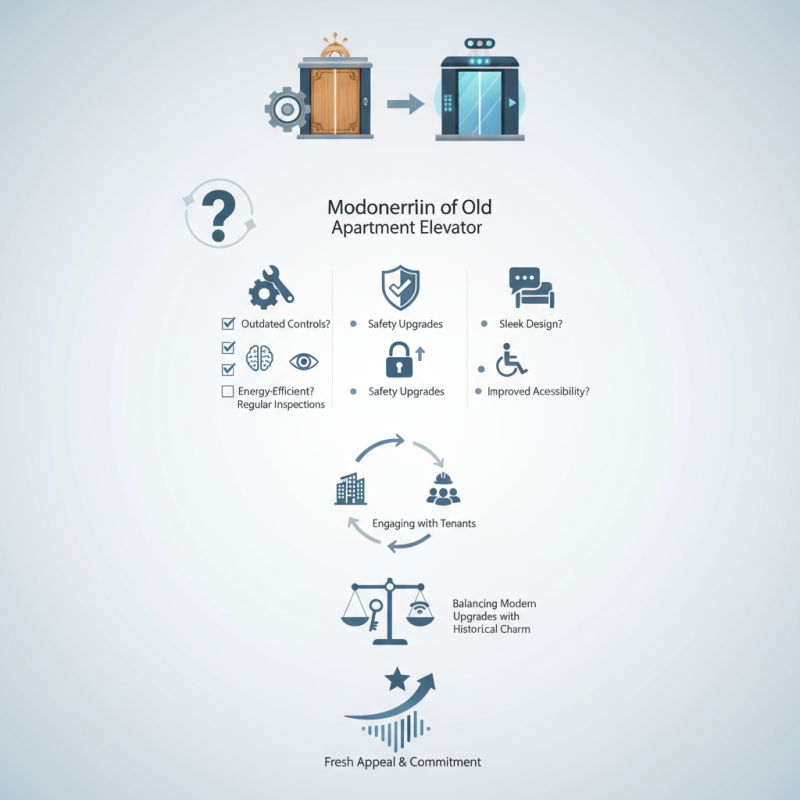
Consider the initial stage of evaluating the existing system. Are the controls outdated? Is there an energy-efficient option? Regular inspections often reveal issues that go unnoticed. Missing these details could lead to more significant problems later. Safety features might also need upgrades to meet current regulations.
Additionally, residents may have unique preferences for modernization. Will they appreciate a sleek design or improved accessibility? Engaging with tenants during this process is essential. Their feedback can guide the renovation and ultimately create a more inviting environment. Regular updates can help maintain a fresh appeal, but this requires commitment. Balancing modern upgrades with historical charm may provoke reflection. What aspects of the old system matter most?
Evaluating the state of your apartment elevator and building infrastructure is crucial. Start by inspecting the elevator's mechanical parts. Look for signs of wear like rust and corrosion. The age of the elevator plays a key role in its performance. An aging system may struggle to keep up with modern demands.
Next, assess the overall building’s structure. Examine the elevator shaft for water damage or cracks. These issues can indicate deeper problems and may jeopardize safety. Talk to residents about any frequent delays or breakdowns. Their experiences offer valuable insights.
Lastly, consider energy efficiency. Analyze power usage over time. Outdated elevators can consume excessive energy. This not only impacts costs but also the environment. Reflection on these aspects can lead to more informed decisions. Prioritize safety, efficiency, and resident satisfaction.
Upgrading an old apartment elevator can significantly improve its functionality and safety. Modern elevator features focus on energy efficiency, user experience, and advanced technologies. One key aspect is the use of regenerative drives. These systems capture and reuse energy, reducing overall power consumption. It's essential to evaluate whether the current electric system can support such upgrades.
Moreover, smart technology integration is becoming more common in elevators. For example, touchless controls and mobile app interfaces enhance the user experience. They offer convenience and align with current hygiene standards. However, adapting to this technology requires thorough planning. Consider the existing building infrastructure and potential challenges in installation.
Safety features must also be prioritized. Upgrading to doors with sensors and emergency communication systems ensures passenger safety. It's important to reflect on the balance between modernity and the building's historical aspects. Retaining some vintage elements may appeal to residents while incorporating modern improvements. Each upgrade should be thoughtfully considered, balancing aesthetics, functionality, and sustainability.
Modernizing an old apartment elevator is a complex yet rewarding project. It requires careful planning, especially when it comes to budgeting and setting a timeline. Start by assessing the elevator's current state and identifying necessary upgrades. This could include everything from mechanical parts to aesthetic updates. Working with experienced contractors can provide invaluable insights into costs. They often have a grasp of the local market, which helps in estimating a realistic budget.
Divide the budget into categories, such as labor, materials, and permits. Remember that hidden issues may arise during the project. For example, outdated wiring or structural problems could lead to increased costs. Maintaining a contingency fund will help mitigate financial surprises.
When setting the timeline, plan for potential delays. Unexpected issues during installation can push back your completion date. Communication with all parties involved can prevent misunderstandings and streamline the process.
A well-thought-out plan not only keeps costs in check but also minimizes disruptions for residents. It’s essential to balance efficiency with the quality of work. An elevator is a critical component of any apartment building, and its modernization should reflect care and attention to detail. While aiming for a swift upgrade, ensure that safety standards are met and thoroughly reviewed. It’s a constant reminder that quality should never be sacrificed for speed in a project this significant.
When modernizing an old apartment elevator, selecting the right contractor and suppliers is crucial. Recent industry reports indicate that 60% of renovation projects fail due to inadequate planning and poor contractor choices. Many property managers overlook the importance of vetting contractors thoroughly. An experienced contractor can significantly affect the overall outcome of the renovation.
It’s wise to check for relevant certifications and prior work samples. This ensures that the contractor is up-to-date with modern technology. According to a study by the National Elevator Industry, the average cost of an elevator modernization project can range from $50,000 to $150,000, depending on the building's complexity. A skilled contractor helps optimize this investment.
Supplier selection is equally vital. Quality materials lead to long-lasting installations. Opting for cheaper suppliers may save money upfront, but could lead to higher maintenance costs in the future. Research shows that 70% of renovations improve resident satisfaction, leading to increased property value. Balancing cost with quality is essential. Planning for unexpected challenges is part of the process. This can mitigate costly overruns later.
Upgrading an old apartment elevator is a complex task, especially when it comes to safety and regulatory compliance. Start by consulting a certified elevator inspector. They will identify key areas needing attention. It's essential to adhere to local building codes. This includes weight capacity, emergency systems, and accessibility standards. Outreach to local authorities early in the process can prevent serious compliance issues.
During the upgrade, consider the materials used. Outdated components may pose risks. Replacing them with modern, compliant alternatives can enhance safety. Communicating clearly with tenants about the modernization timeline is crucial. They need to be informed to avoid inconveniences.
However, keep in mind the potential challenges. Unexpected delays can arise due to regulatory approvals. Manufacturers may have backlogs, complicating timelines. Remaining flexible and patient is important. Regular updates to tenants can alleviate concerns. A transparent approach builds trust, even during uncertainties.
: Check mechanical parts for wear, rust, and corrosion. Age affects performance significantly.
Look for cracks and water damage in the elevator shaft. These signs may indicate deeper issues.
Residents can share experiences about delays and breakdowns, providing valuable insights for assessment.
Assess upgrades needed, and divide the budget into labor, materials, and permits. Expect hidden costs.
Anticipate potential delays from unexpected issues. Set realistic completion dates and communicate clearly.
Consult a certified inspector and follow local building codes. Focus on weight capacity and emergency systems.
Replace outdated components with modern, compliant alternatives to enhance safety during the upgrade.
Keep tenants informed about timelines and potential disruptions. Regular updates can relieve their concerns.
Delays from regulatory approvals and manufacturer backlogs may affect timelines. Patience and flexibility are key.
Avoid sacrificing safety and quality for speed. Focus on thorough reviews to ensure standards are met.
Modernizing an old apartment elevator can significantly enhance the overall functionality and safety of a building. The process begins with assessing the current condition of both the elevator and the building's infrastructure, ensuring a clear understanding of necessary upgrades. Identifying modern elevator features and technologies can guide the selection of improvements that meet current standards and user expectations.
Once the essential upgrades are determined, it's crucial to plan a realistic budget and timeline for the modernization project. Choosing the right contractor and suppliers is vital to ensure quality work and timely completion. Throughout the entire upgrade process, maintaining safety and regulatory compliance must be a top priority to protect residents and ensure the elevator meets modern safety standards. In summary, knowing how to modernize an old apartment elevator effectively involves careful planning, informed decision-making, and adherence to safety protocols.

Samar Lift