Hydraulic lifts are essential in various industries, but oil leaks can be frustrating. When you ask, "Why is my hydraulic lift leaking oil?", it’s crucial to understand the common causes. According to John Smith, a hydraulic systems expert with over 20 years of experience, "Leaks often stem from worn seals or damaged hoses." His insight highlights the importance of regular maintenance.
Oil leaks can lead to performance issues and safety hazards. Inspecting seals, fittings, and hydraulic lines should be a routine practice. Understanding the signs of wear and tear can prevent unexpected failures. For instance, a noticeable drop in lifting capacity may indicate a problem. Regular inspections and prompt fixes can save time and money.
It’s vital to take leaking oil seriously. Overlooking small leaks can escalate into significant issues. Addressing these concerns early ensures your hydraulic lift operates efficiently. Remember, a little attention today can prevent bigger problems tomorrow.
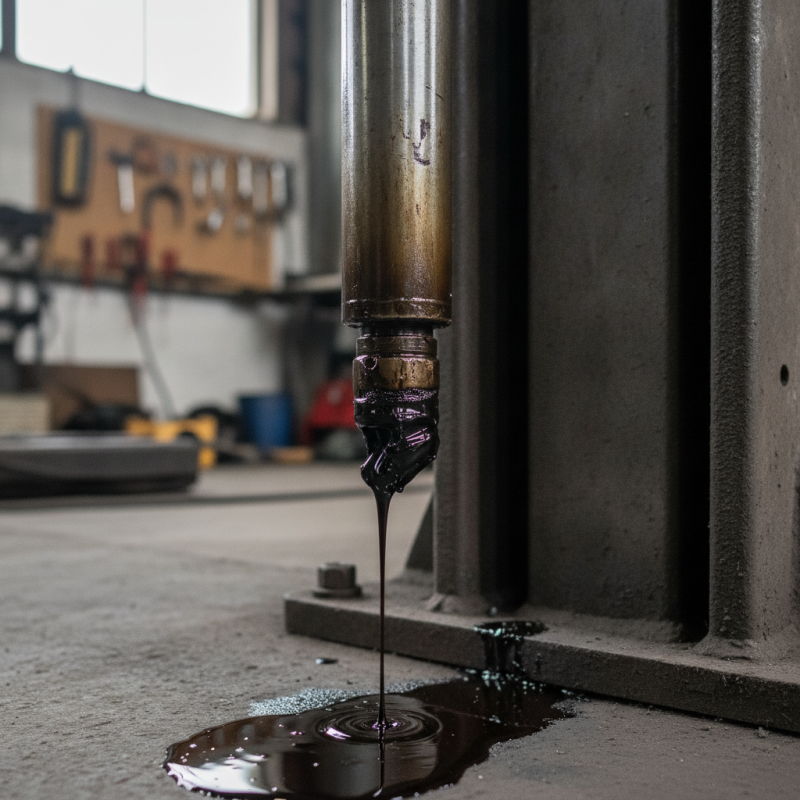
Hydraulic lifts are essential in various settings. However, oil leaks can disrupt their functionality. There are several reasons your hydraulic lift might be leaking oil.
One common cause is wear and tear on seals and gaskets. Over time, these components can degrade, leading to leaks. Inspecting them regularly is crucial. Another frequent issue is damaged hydraulic hoses. Cracks or abrasions can compromise the integrity of the hoses, resulting in oil loss. Regular checks can help prevent severe damage.
Tips: Keep an eye on oil levels. Low oil can indicate leaks. A small leak can quickly become a major problem. Use a flashlight for a thorough inspection. Pay attention to the lift's performance. If it struggles to lift, it might signal a leak.
Finally, improper maintenance can lead to issues as well. Neglecting to change the hydraulic oil can create sludge build-up. This can clog filters and lead to leaks. Ensure you follow a
regular maintenance schedule for best results.
Leaking oil from hydraulic lifts can indicate serious issues. Identifying the signs early can save both time and money. Common indicators include oil spots under the lift, a constant need to refill oil, and the lift not operating smoothly. Research suggests that 30% of hydraulic system failures arise from unnoticed leaks. Ignoring these signs can lead to larger mechanical problems.
When troubleshooting, start by inspecting the hydraulic cylinders and hoses. Look for cracks, frayed edges, or loose fittings. According to a recent industry report, over 25% of hydraulic lift failures originate from faulty hoses. If you notice any wetness around connections, it’s a clear signal that something is wrong. The oil might be leaking due to excessive pressure or wear and tear over time. Regular maintenance is crucial, yet many neglect this step.
Addressing leaks isn't just about topping off the oil. This could be a band-aid solution. Instead, consider replacing worn-out parts regularly, adhering to manufacturer guidelines. Keeping a close eye on fluid levels can prevent unexpected downtime. A proactive approach protects your lift's longevity, ensuring it functions as intended. Always reflect on your maintenance habits. Are you checking for leaks often enough?
Hydraulic lift leaks can be a frustrating problem for operators and mechanics. Understanding the common causes and diagnosing these issues effectively is crucial. A study by the Hydraulic Institute indicates that nearly 30% of hydraulic system failures stem from leaks. Recognizing symptoms early can save both time and money.
Begin your diagnosis by checking the hydraulic fluid level. Low levels can indicate a leak. Look closely at hose connections and seals. Signs of oil accumulation here are a clear warning. Inspect the hydraulic cylinder for any visible cracks or wear. According to the American Society of Mechanical Engineers, 15% of maintenance costs in hydraulic systems come from overlooking minor leaks.
Next, perform a pressure test. An irregular reading may suggest internal leaks. Be mindful of the age and service history of the lift. An older system is more prone to wear and tear. Many operators often underestimate the impact of routine maintenance, which is essential for preventing leaks. Regular inspections can stave off major issues and prolong equipment life.
Oil leaks in hydraulic lifts can lead to significant issues. Common causes include worn seals, damaged hoses, or loose fittings. Identifying the source of the leak is crucial for effective repairs.
Inspect the lift carefully. Start by checking the hydraulic fluid level. This could indicate leakage. Next, examine the seals. Look for wear and tear. If seals are cracked or soft, they need replacement. Damaged hoses must be replaced too, as they can allow fluid to escape. Tightening loose fittings can also help, as this might stop minor leaks immediately.
Always clean the area around the leak. This allows you to see if repairs are effective. After fixing, monitor the lift closely for new leaks. It’s necessary to stay vigilant, as sometimes leaks can appear unexpectedly. Make sure to consult a professional if you’re unsure about repair procedures. Taking proper steps can lead to a longer-lasting hydraulic lift.
| Leak Cause | Symptoms | Repair Method | Preventive Measures |
|---|---|---|---|
| Damaged Seals | Visible oil on the ground; reduced lifting power | Replace seals; inspect lift assembly | Regular inspection of seals; avoid excessive load |
| Worn Hydraulic Hoses | Oil spraying from hoses; bulges or cracks in hoses | Replace damaged hoses; check hose connections | Routine hose checks; proper storage |
| Loose Fittings | Oil seeping from connections; audible hissing sound | Tighten loose fittings; apply thread sealant | Frequent fittings inspection; use proper torque |
| Overheating | Fluid smell; weaker lift response | Inspect and clean hydraulic fluid cooler | Allow proper cooling; monitor operating conditions |
| Contaminated Fluid | Sludge in reservoir; reduced efficiency | Change hydraulic fluid; clean the reservoir | Use clean fluid; filter replacement schedule |
Hydraulic lifts are essential in many industries. However, oil leaks can be a common challenge. To prevent future leaks, consider implementing regular maintenance routines. According to industry reports, over 30% of hydraulic systems experience leaks due to inadequate upkeep. Periodically check seals and hoses for wear or damage. This proactive approach can significantly reduce the frequency of leaks.
Monitoring oil levels is crucial. An oil dip below optimal levels often signifies a leak. Inspecting the reservoir and identifying the source quickly can save time and money. Use clean, quality oil for top-ups. Keep a log of oil changes to track inconsistencies. Remember, neglecting small leaks can lead to costly repairs and downtime.
Tips: Always secure fittings properly. Loose connections are a top cause of hydraulic leaks. Consider using protective coverings for hoses. This can shield against abrasions and extend the life of the system. Regularly training staff on identifying early signs of leaks is invaluable. This creates a more aware workplace and fosters a culture of maintenance. It's a step that truly pays off in the long run.
: Common causes include worn seals, damaged hoses, and loose fittings. Regular inspections can help identify these issues.
Begin by checking the hydraulic fluid level. Look for oil accumulation near hose connections and seals.
Inspect seals for wear, examine hoses for cracks, and check fittings for tightness. Each part is crucial to avoid leaks.
Low oil levels can indicate leaks. A small leak may escalate into a significant problem if ignored.
Follow a regular maintenance schedule to prevent issues. It’s vital to avoid neglecting hydraulic oil changes.
Clean the area around the leak and inspect it closely. Monitor the lift after repairs to ensure effectiveness.
Yes, older systems tend to have more wear and tear. Their inspection and maintenance are often overlooked.
If unsure about repair procedures, consulting a professional is advisable. Incorrect repairs can worsen the problem.
Ignoring leaks can lead to severe damage and higher maintenance costs. Regular checks can save time and money in the long run.
Sludge can clog filters and lead to leaks. Regular oil changes and maintenance help prevent this issue.
In the article "Why is My Hydraulic Lift Leaking Oil and How to Fix It?", we explore the common causes of hydraulic lift oil leaks, which can stem from worn seals, damaged hoses, or improper maintenance. Identifying signs of oil leakage is crucial, as it often includes visible oil puddles, reduced lift performance, and unusual noises. The article provides a step-by-step guide to diagnosing these leaks, enabling users to pinpoint the source of the problem effectively.
Additionally, we discuss common repairs for hydraulic lift oil leaks, such as replacing seals and tightening connections. To prevent future leaks, implementing regular maintenance checks and using quality hydraulic fluids is essential. By understanding the reasons behind "Why is my hydraulic lift leaking oil," lift operators can take proactive measures to ensure the longevity and reliability of their equipment.

Samar Lift