How Often Should You Inspect a Commercial Lift for Safety?

Time:2026-05-07 Author:Liam
0%

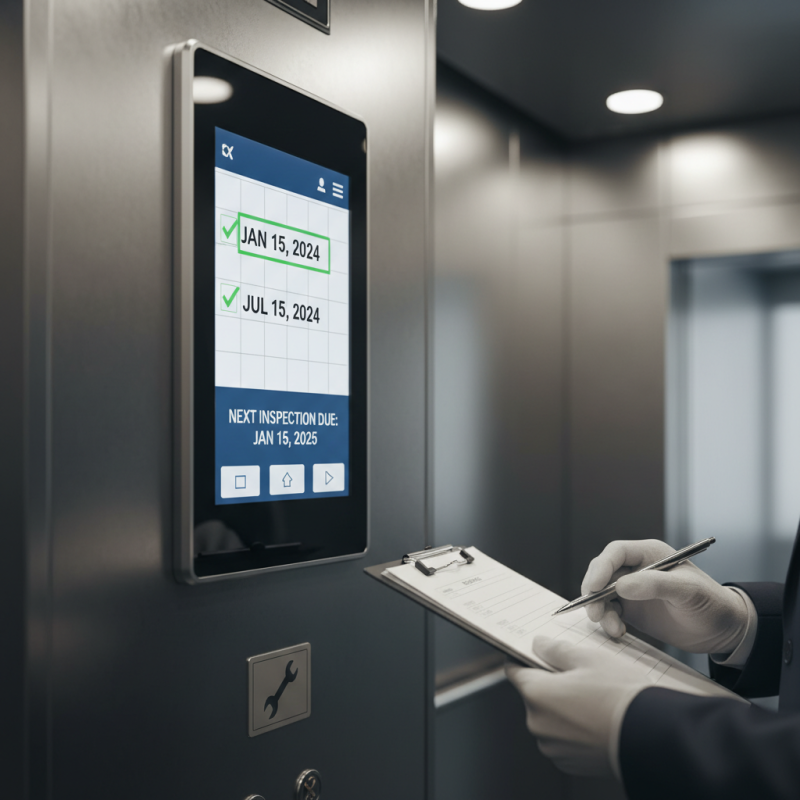
Maintaining the safety of commercial lifts is paramount. A proactive inspection schedule can prevent accidents and ensure compliance with regulations. The question arises: "How often should a commercial lift be inspected?" According to industry guidelines, lifts require inspection at least once every six months. The American Society of Mechanical Engineers (ASME) clearly states that regular checks are essential for optimal performance and safety.

The National Elevator Industry, Inc. (NEII) reports that improper lift maintenance can increase risks significantly. Notably, one in every ten serious lift accidents occurs due to lack of inspection. Surprisingly, many businesses overlook this crucial aspect. They assume that lifts maintain themselves, but this is a dangerous misconception. In reality, wear and tear silently build up over time, compromising safety.

Understanding inspection frequency is vital for business owners. Regular reviews not only safeguard employees and customers but also enhance operational efficiency. Neglecting this responsibility can lead to costly repairs and liability issues. Reflecting on your inspection routine can prevent potential tragedies. The statistic is alarming: the cost of a lift accident can reach thousands. Prioritizing inspections is not just compliance; it’s a commitment to safety.
How Often Should You Inspect a Commercial Lift for Safety?

Importance of Regular Inspections for Commercial Lifts

Regular inspections of commercial lifts are crucial for ensuring safety and compliance. According to the American Society of Mechanical Engineers (ASME), at least one inspection per year is recommended. However, many facilities overlook this guideline. Reports indicate that around 30% of commercial lifts do not receive timely inspections. This negligence can lead to serious accidents and costly downtime.

Frequent checks help in identifying wear and tear, which may not be immediately visible. Inspections can reveal issues like worn-out cables and malfunctioning brakes. Data suggests that nearly 60% of lift accidents result from inadequate maintenance. Such incidents could be prevented by adhering to a strict inspection schedule that encourages proactive maintenance strategies.

A study by the National Elevator Industry, Inc. highlights that regular inspections can reduce accident rates by 20%. Facilities often underestimate the importance of consistent checks. The reassurance of knowing lifts are safe can enhance employee morale too. By prioritizing these inspections, businesses not only comply with regulations but also create a safer environment for everyone.

Recommended Inspection Frequency for Different Types of Lifts

The frequency of inspecting commercial lifts is crucial for safety. Different types of lifts require different inspection schedules. For instance, passenger elevators usually need inspections every six months. This regular check ensures compliance with safety regulations and reduces risks of mechanical failures.

Freight elevators, on the other hand, may require inspections every twelve months. They often bear heavier loads, which can wear down components more quickly. Routine checks can identify potential issues before they escalate. It's vital for building owners to document these inspections for accountability and transparency.

Periodic inspections of all lift types allow for early detection of wear and tear. This proactive approach can prevent accidents and ensure a smoother operation. Still, some may overlook these schedules, leading to potential hazards. Engaging qualified professionals for this task can enhance safety and reliability within the building. Regular inspections are not just a legal requirement; they are a commitment to the well-being of all users.

Key Components to Inspect During Safety Assessments

When it comes to the safety of commercial lifts, regular inspections are crucial. Inspecting the lift’s key components is a vital part of the process. Critical elements include the safety brakes, cables, and emergency systems. Each component plays a significant role in ensuring proper functionality.

Pay close attention to the safety brakes. They must engage smoothly and fully. Inspect the cables for fraying or wear. Worn cables can lead to failure, risking safety. Monitor the emergency systems as well. Check for proper operation of alarms and lights. They are critical during emergencies.

**Tips:** Schedule inspections frequently. Monthly checks can help catch issues early. Maintain a detailed log of inspections. This promotes accountability and safety awareness. Don't overlook signs of wear. Regular vigilance can prevent costly failures later.

How Often Should You Inspect a Commercial Lift for Safety? - Key Components to Inspect During Safety Assessments

Inspection Component Frequency of Inspection Last Inspection Date Next Scheduled Inspection
Safety Devices Monthly 2023-09-01 2023-10-01
Elevator Cab Inspection Quarterly 2023-06-01 2023-09-01
Mechanical Components Biannually 2023-03-01 2023-09-01
Emergency Communication Systems Annually 2022-12-01 2023-12-01
Fire Service Operation Annually 2022-05-01 2023-05-01

Regulatory Standards Governing Lift Inspections

When it comes to commercial lift safety, understanding the regulatory standards is crucial. In many regions, lifts must undergo inspections at least once a year. The American Society of Mechanical Engineers (ASME) provides a comprehensive guideline, indicating that these safety checks should be performed following specific criteria. A recent report highlights that more than 60% of lift-related accidents stem from maintenance failures.

Regulatory bodies emphasize the importance of adhering to these standards. For example, in Europe, the Lift Directive mandates regular inspections and risk assessments. Companies failing to comply risk significant penalties and legal repercussions. Yet, many businesses remain unsure about their responsibilities. Surveys indicate that nearly 40% of facility managers overlook the statutory requirements for lift inspections. This can jeopardize safety and risk hefty fines.

The accountability for lift safety rests with building managers and owners. They must ensure that they engage qualified inspectors. Reliance on unqualified personnel can lead to overlooked safety issues. Inadequate inspections have been linked to serious incidents, highlighting the need for ongoing education in compliance and safety protocols. Engaging with knowledgeable professionals can foster a safety culture and enhance operational reliability. However, many still treat these inspections as routine, rather than a critical safety component.

Commercial Lift Inspection Frequency

Best Practices for Documenting Inspection Findings and Repairs

When managing a commercial lift, documenting inspection findings is crucial. Each inspection report should include specific details about the lift's performance. Record dates, issues found, and the actions taken. This clarity prevents miscommunication and allows for effective troubleshooting. Using standardized forms can help maintain consistency.

Repairs should also be thoroughly documented. Each repair should note what was fixed, the parts used, and who completed the work. Photographs can capture the condition before and after repairs. This evidence can be indispensable for future assessments. Regular reviews of these documents help identify recurring issues, increasing reliability.

Not all inspections yield perfect results. Sometimes, issues might be overlooked, leading to potential hazards. It's vital to cultivate a culture of honesty in reporting. Encourage staff to voice concerns, even if they seem trivial. Every detail counts toward a safer lift environment. By continuously refining documentation practices, businesses can enhance safety and compliance effectively.

FAQS

: Why are regular inspections of commercial lifts important?

: Regular inspections ensure safety and compliance, preventing severe accidents and costly downtime.

How often should passenger elevators be inspected?

Passenger elevators should be inspected every six months to comply with safety regulations.

What is the recommended inspection frequency for freight elevators?

Freight elevators generally require inspections every twelve months due to heavier loads.

What percentage of lift accidents result from inadequate maintenance?

Data suggests that nearly 60% of lift accidents are due to inadequate maintenance.

What key components should be inspected during safety assessments?

Inspect safety brakes, cables, and emergency systems to ensure proper functionality and safety.

How can regular inspections benefit businesses?

Regular inspections enhance safety, boost employee morale, and ensure compliance with regulations.

What happens when inspection schedules are overlooked?

Overlooking inspection schedules can lead to potential hazards and mechanical failures.

How can monthly checks help lift safety?

Monthly checks can catch issues early, promoting accountability and safety awareness.

What role do emergency systems play in lift safety?

Emergency systems, including alarms and lights, are critical during emergencies. They must operate properly.

How should building owners document inspections?

Building owners should maintain a detailed log of inspections for accountability and transparency.

Conclusion

Regular inspections of commercial lifts are crucial for ensuring safety and compliance with regulatory standards. The frequency of these inspections can vary depending on the type of lift, usage patterns, and existing regulations. It is essential to assess key components such as the control systems, safety mechanisms, and mechanical parts during safety evaluations.

When considering "how often should a commercial lift be inspected," it is recommended that lifts undergo thorough inspections at least once a year, with more frequent checks for those in heavy use or unique environments. Establishing best practices for documenting inspection findings and any necessary repairs not only enhances safety but also demonstrates compliance with legal standards, ensuring that all stakeholders are informed about the lift's operational status.

Liam

Liam

Liam is a dedicated marketing professional with a profound expertise in the industry, where he excels at highlighting the unique advantages of our core products. With a keen understanding of market trends and consumer needs, Liam frequently updates our company’s professional blog, providing......