How to Choose the Best Boom Lift for Your Project Needs?

Time:2026-08-13 Author:Amelia
0%

Choosing the right boom lift can be daunting. With various options on the market, it's essential to understand your project’s specific needs. According to industry expert John Smith, “Selecting the right boom lift can significantly impact efficiency and safety.” This statement highlights the importance of making informed choices.

When considering how to choose the right boom lift for my project, you should analyze project requirements first. Factors to consider include height, weight capacity, and terrain. Each of these aspects plays a crucial role in the overall success of your project.

Additionally, rental versus purchase is another point of reflection. Renting can reduce short-term costs. However, long-term projects might benefit from purchasing the equipment. Assessing these options requires careful thought. Balancing your budget with safety and performance will lead you to the best decision. Remember, the right boom lift can enhance productivity while minimizing risks.
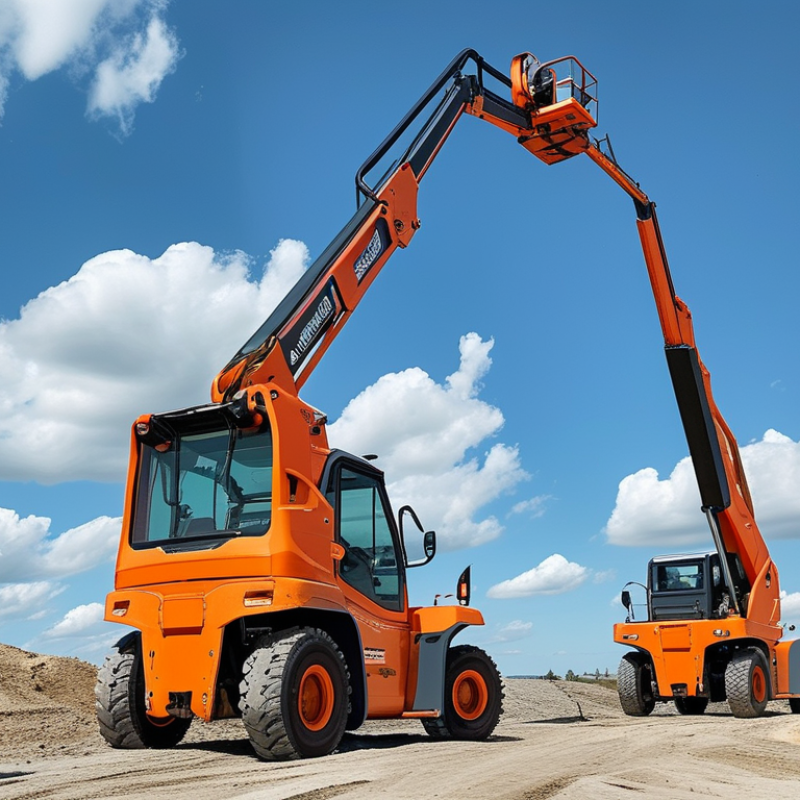
How to Choose the Best Boom Lift for Your Project Needs?

Factors to Consider When Selecting a Boom Lift for Your Project

When selecting a boom lift, consider the project's specific requirements. The height is a crucial factor. You need to know the maximum elevation you require. Different models reach different heights. Make sure to measure the workspace accurately. This helps avoid misunderstandings later.

Another important aspect is the lift's weight capacity. Some projects require heavy equipment. Understand the combined weight of your tools and materials. Each boom lift supports a different load. Overloading can lead to accidents or equipment failure. Thus, it's essential to stay within safe limits.

The terrain where you will operate the boom lift is also vital. Smooth surfaces allow for easier usage. However, rough or inclined areas may need a different type of lift. Consider the features like wheelbase and outriggers. They play a role in stability and safety. Reflecting on these factors can enhance your project’s efficiency. Think about your choices carefully. It’s worth it in the long run.

Understanding Different Types of Boom Lifts and Their Applications

When choosing a boom lift, understanding the types and their applications is crucial. There are two main categories: stick and articulating boom lifts. Stick boom lifts offer vertical reach, making them ideal for tasks like roofing or electrical work. They extend straight up and are commonly used in construction. In contrast, articulating boom lifts can navigate around obstacles. This flexibility is beneficial in landscaping or maintenance projects, where access is required in tight spaces.

According to the International Powered Access Federation (IPAF), the global demand for boom lifts is steadily increasing. Growth estimates suggest a 5% annual growth in the market, driven by construction and infrastructure needs. Many projects require working at heights, making boom lifts essential. However, choosing the right type is not always straightforward. Users often overlook specific requirements like maximum working height and load capacity. Such oversights can lead to safety risks and project inefficiencies.

Understanding working conditions is also vital. For example, indoor projects may require electric boom lifts to reduce emissions. Outdoor tasks might necessitate heavier-duty equipment. Each choice shapes the efficiency and safety of operations. Professionals need to weigh their options carefully. An ill-fitted boom lift can cause delays and increase overall costs. It's clear that selecting the right type requires more than just a glance at specifications.

Evaluating Lift Height and Reach Requirements for Your Tasks

When evaluating lift height and reach, consider the nature of your project. The required height will directly impact safety and efficiency. Assess how high you need to work. Think about the maximum height of structures or trees. This will help determine the lift type.

Reach is equally important. For tasks that require extending horizontally, ensure that the boom lift can accommodate that distance. An inadequate reach can lead to delays and safety risks. It's critical to check the specifications and choose accordingly.

Don't overlook site conditions. Ground stability can affect how high and far a lift can safely operate. Sometimes, the terrain can limit your options. Take time to reflect on these details to ensure an effective lift selection. Evaluating both height and reach thoroughly will lead to better project outcomes.

Lift Height and Reach Requirements for Boom Lifts

Assessing Weight Capacity and Load Factors for Safe Operations

When selecting a boom lift, evaluating weight capacity is crucial. The lift’s rated load directly affects its operational safety. Each model has a specific weight limit, which includes both the operator and any tools or materials. Exceeding this limit can lead to mechanical failure. Always check the specifications carefully.

Load factors also play a significant role. Consider the working height and the lift’s reach. Different jobs may require different configurations. Be aware of wind conditions too. A high lift becomes challenging to manage in adverse weather. Ensure that your chosen model meets all necessary safety standards.

Tips for safe operation include conducting a pre-use inspection. Check hydraulic systems, batteries, and controls. Training operators is also essential. Only trained personnel should operate a boom lift. This training enhances safety and efficiency. Regular maintenance ensures reliability over time. The right boom lift can make a significant difference in project success.

How to Choose the Best Boom Lift for Your Project Needs?

Lift Type Max Weight Capacity (lbs) Platform Height (ft) Horizontal Reach (ft) Weight (lbs) Ideal Applications
Articulating Boom Lift 500 40 25 6,000 Construction, Maintenance
Telescopic Boom Lift 1,000 60 40 8,000 Steelwork, Signage Installation
Vertical Mast Lift 500 30 10 2,500 Warehouse, Retail
Rough Terrain Boom Lift 1,000 50 30 7,500 Outdoor Construction, Landscaping

Comparing Rental vs. Purchase Options for Boom Lifts

When deciding between rental and purchase options for boom lifts, consider your project duration. Renting is ideal for short-term needs. It avoids the upfront costs of purchasing. Renting also provides flexibility. You can easily select the right equipment for any task.

However, buying a boom lift can be beneficial for long-term use. If you have ongoing projects, it may save costs over time. Maintenance and repair are under your control, ensuring reliability. Consider storage and transport as well. These factors can affect the total cost of ownership.

Tips: Assess your project requirements carefully. A detailed project timeline helps gauge rental or purchase needs. Also, consult with industry experts for insights on equipment performance and suitability. Analyze the total costs involved. This will guide you to make a well-informed decision. Avoid rushing into a choice without reflection.

FAQS

: What should I consider when selecting a boom lift for my project?

: Consider height, weight capacity, and terrain. These factors are crucial for safe and efficient operation.

How important is the maximum height of a boom lift?

It is very important. Measure your workspace to determine the height you need accurately.

What happens if I exceed the weight capacity of a boom lift?

Overloading can lead to accidents and equipment failure. Always stay within safe limits.

Why is terrain important when choosing a boom lift?

The type of terrain affects stability. Smooth surfaces work well, while rough areas may require specialized lifts.

What are the two main types of boom lifts?

Stick and articulating boom lifts. Each serves different purposes, so choose wisely for your task.

How does the type of boom lift affect project efficiency?

The right lift ensures better access and safety. Poorly matched lifts can cause delays and extra costs.

Do working conditions influence the choice of boom lift?

Yes, indoor jobs may need electric lifts. Outdoor tasks might require heavier-duty equipment for safety.

What common mistakes do users make when choosing a boom lift?

Users often overlook height and load capacity requirements. This can lead to safety risks.

How can inadequate selection of a boom lift impact my project?

An ill-fitted boom lift can lead to delays and increased overall costs. Consider all options carefully.

What role do outriggers play in boom lift safety?

Outriggers enhance stability and safety on uneven terrains. Always evaluate their presence and condition.

Conclusion

When considering how to choose the right boom lift for my project, several key factors must be evaluated. First, it’s essential to understand the different types of boom lifts available and their specific applications. Depending on the work environment, whether indoor or outdoor, certain types may be more suitable than others. Next, assess the lift height and reach requirements to ensure that the boom lift can effectively meet the demands of your tasks.

Additionally, evaluating the weight capacity and load factors is crucial for maintaining safe operations. This includes understanding the maximum load the lift can handle while still being stable. Lastly, consider the financial aspects by comparing rental versus purchase options for boom lifts to determine the most cost-effective solution for your project needs. By weighing these factors carefully, you can make an informed decision on the best boom lift for your situation.

Amelia

Amelia

Amelia is a seasoned marketing professional with a wealth of expertise in our company’s core offerings. With an unwavering passion for driving growth and innovation, she plays a pivotal role in shaping our marketing strategies and enhancing brand visibility. A key aspect of her responsibilities......