Understanding the frequency of commercial lift inspections is crucial for safety and compliance. Business owners often ask, "How often should a commercial lift be inspected?" This question deserves careful consideration. Lifts play a vital role in daily operations, transporting people and goods seamlessly. Regular inspections ensure these systems function safely and efficiently.
In China, the guidelines for lift inspections can vary. Factors such as usage, location, and lift type influence these requirements. Typically, a commercial lift should undergo inspection at least once a year. However, lifts in high-traffic areas may need more frequent checks. Unexpected issues can arise, highlighting the importance of proactive maintenance.
Businesses should reflect on their lift inspection practices. Are they following the recommended guidelines? Ensuring the safety of employees and customers is paramount. Ignoring inspection schedules can lead to serious consequences. By prioritizing regular lift inspections, companies can create a safer environment for everyone.
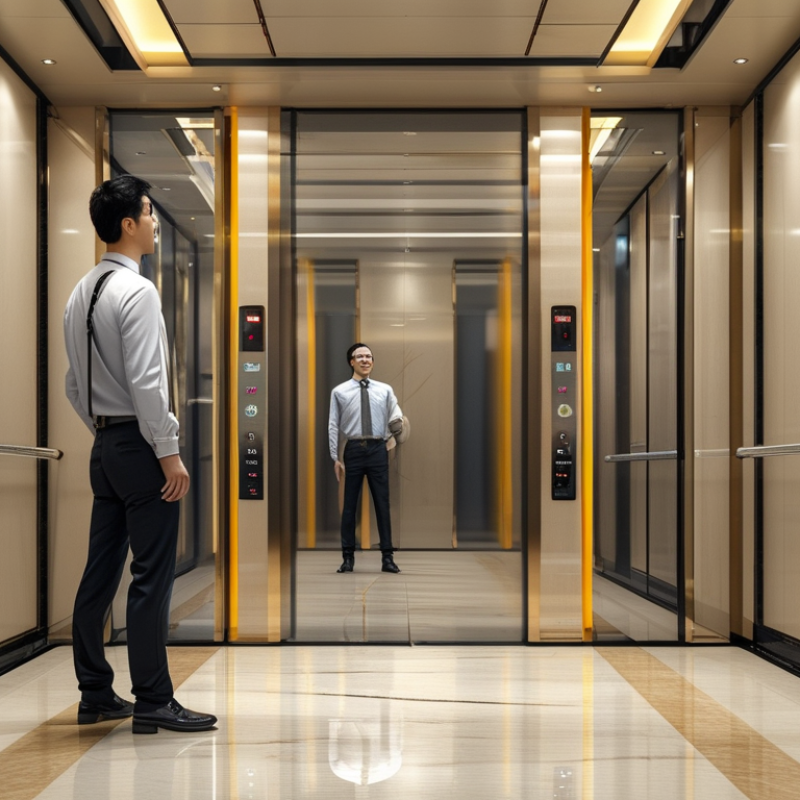
In China, lift inspection frequencies are crucial for safety and compliance. Regular inspections ensure that elevators operate efficiently. By adhering to recommended schedules, businesses can mitigate risks. The typical frequency for inspections depends on lift usage and type. High-traffic elevators may need checks every three months. Others may require annual inspections.
Understanding local regulations is essential. As cities grow, regulations can change. Companies often struggle to keep up. A lack of understanding can lead to non-compliance. Non-compliance increases safety risks and financial liabilities. Organizations must prioritize training for maintenance staff. Investing in knowledge can prevent costly mistakes.
Regular inspections support both safety and efficiency. Aging lifts can lead to more frequent breakdowns without proper checks. Businesses may benefit from tracking inspection histories. Some may neglect this, resulting in unexpected downtimes. Making inspection a priority is vital, even if it feels burdensome. Ensuring reliable lift performance is an ongoing responsibility.
In China, commercial lift inspections are guided by strict regulatory standards. These standards are in place to ensure safety and reliability. They cover various aspects of lift functionality, including mechanics, electrical systems, and emergency protocols. Understanding these regulations is crucial for property managers and facility operators.
The frequency of inspections can vary based on factors such as lift usage and building occupancy. A lift used frequently in a bustling shopping mall may require more regular assessments compared to one in a rarely visited office. Regulatory bodies suggest a minimum of once a year for general inspections. More intensive checks may be necessary for high-traffic installations.
Compliance with these standards not only ensures safety but also maintains equipment lifespan. However, some property managers neglect the importance of regular checks. This oversight can lead to greater risks and costly repairs. Regular oversight can help in identifying faults before they escalate. It is essential to uphold these standards diligently.
When considering the inspection frequency of commercial lifts in China, several factors come into play. According to the China Elevator Association, the average inspection interval for commercial lifts in major cities is about three to six months. However, this can vary greatly depending on the usage rate, building type, and load capacity. High-traffic locations, such as malls and office complexes, may require more frequent inspections, while less busy sites could be inspected annually.
Tips: Regularly assess the wear and tear of your lifts. This proactive approach can identify potential issues before they escalate.
Environmental factors also play a crucial role. Elevators in coastal areas may face corrosion due to humidity, necessitating more frequent checks. The age of the lift and advancements in technology can influence these intervals too. Older models often have more mechanical issues, requiring quarterly inspections. On the other hand, newer systems may have extended warranties, reducing inspection needs.
Tips: Invest in training for your maintenance team. Proper training can ensure more efficient inspections and extend the lift's lifespan.
Safety regulations are paramount in determining inspection frequency. Compliance with local laws is essential, as penalties for neglect can be severe. Frequent inspections foster not only safety but also reliability in service. Balancing all these factors can result in enhanced operational efficiency for building managers.
Scheduling lift inspections is crucial for safety and efficiency. According to the National Elevator Industry Incorporated (NEII), improper or irregular inspections can lead to significant malfunctions. In fact, elevators that are not regularly checked can increase the risk of accidents by up to 30%. This statistic underscores the importance of establishing a consistent inspection schedule.
Most experts recommend a monthly inspection for commercial lifts, especially those with high usage. Each inspection should cover critical points like mechanical components, electrical systems, and emergency protocols. However, many facilities still conduct inspections less frequently, which could compromise safety. Industry guidelines suggest that many building owners remain unaware of the latest best practices, leaving them at potential risk.
Incorporating technology can help streamline the inspection process. For example, digital checklists and real-time reporting can enhance accountability. Yet, training staff to use these tools effectively remains a challenge. Regular training sessions should be a priority. Evolving standards and regulations require constant learning. Balancing compliance and convenience is essential for all facilities.
Infrequent lift inspections can lead to serious consequences in commercial settings. Delayed checks increase the risk of mechanical failures. These failures can cause dangerous accidents for users. For example, a sudden halt or malfunction may lead to injuries or even fatalities. Such events can have severe repercussions for businesses, including legal actions and damaged reputations.
Moreover, regular inspections help identify problems before they escalate. A neglected lift may develop hidden issues over time. These might not be visible during regular use but can compromise safety. Building managers might think less frequent inspections save money. However, the potential costs associated with accidents can be far greater.
In many cases, companies overlook the importance of proper documentation. Incomplete records can complicate repairs and inspections. This negligence can create liabilities for operators. Regular inspections not only ensure safety but also improve operational efficiency. Investing in consistent check-ups can prevent larger financial losses. The reality is that underestimating lift maintenance is a mistake that can endanger everyone involved.
| Inspection Frequency | Consequences of Infrequent Inspections | Recommended Action |
|---|---|---|
| Monthly | High risk of unexpected breakdowns and safety hazards. | Conduct monthly inspections and maintenance. |
| Quarterly | Potential for wear and tear to go unnoticed, leading to eventual failure. | Perform detailed quarterly checks and address any issues immediately. |
| Bi-Annually | Increased risk of accidents and reduced reliability. | Increase frequency to at least quarterly inspections. |
| Annually | Severe safety risks and potential liability issues. | Revise inspection schedule to align with monthly or quarterly guidelines. |
| Infrequent (Over 1 Year) | Extreme danger of malfunction, injury, and legal consequences. | Immediate emergency inspections and comprehensive audit of lift systems. |
: Lift inspections ensure safety and reliability, preventing accidents and maintaining equipment lifespan.
Inspections should occur at least once a year, but high-traffic lifts may need more frequent checks.
Delayed inspections can lead to mechanical failures, causing accidents and harming users.
Yes, overlooking inspections may save money initially, but can lead to costly repairs and liabilities.
Many neglect regular checks and proper documentation, increasing risks and complicating repairs.
Lift usage and building occupancy significantly impact how often inspections are needed.
Absolutely. Hidden problems may compromise safety without being visible during normal use.
Regular checks help identify faults early, reducing downtime and minimizing costly repairs.
Incomplete records can complicate repairs and create liabilities for lift operators and managers.
Yes, accidents can result in legal actions, financial costs, and damaged reputations for the business.
The frequency of commercial lift inspections in China is crucial for ensuring safety and compliance with regulatory standards. Understanding how often a commercial lift should be inspected is vital for maintaining operational safety and efficiency in various settings. Factors such as usage frequency, lift type, and environmental conditions play significant roles in determining inspection schedules. It is recommended to adhere to best practices, which include regular assessments and following established regulatory guidelines to avoid potential hazards.
Failing to conduct inspections frequently can lead to severe consequences, including increased risk of accidents, costly repairs, and potential legal liabilities. By prioritizing regular lift inspections, businesses can ensure a safer environment for users while also promoting long-term reliability and performance of their lift systems.

Samar Lift