As China's population continues to age, accessibility becomes a pressing concern. The question arises: "What is the best lift type for elderly accessibility?" Addressing this issue requires understanding both the needs of seniors and the available technologies. A 2022 report by the China Aging Development Foundation noted that nearly 250 million people in China are over the age of 60. Access to buildings and public transport is crucial for their independence.
Experts like Dr. Liang Wei, a leading authority on mobility solutions, emphasize, "Choosing the right lift can make a significant difference in the quality of life for the elderly." Different lift types, such as platform lifts, residential elevators, and stairlifts, each offer various advantages and challenges. Platform lifts are often preferred for outdoor settings, while residential elevators provide a seamless indoor experience. However, misconceptions about costs and installation times may deter decision-makers.
It's important to acknowledge that not all options suit every environment. Understanding local infrastructure, potential space restrictions, and user requirements is vital. A thorough evaluation of various lifts will lead to better solutions. Still, community involvement is crucial in addressing these accessibility challenges effectively.
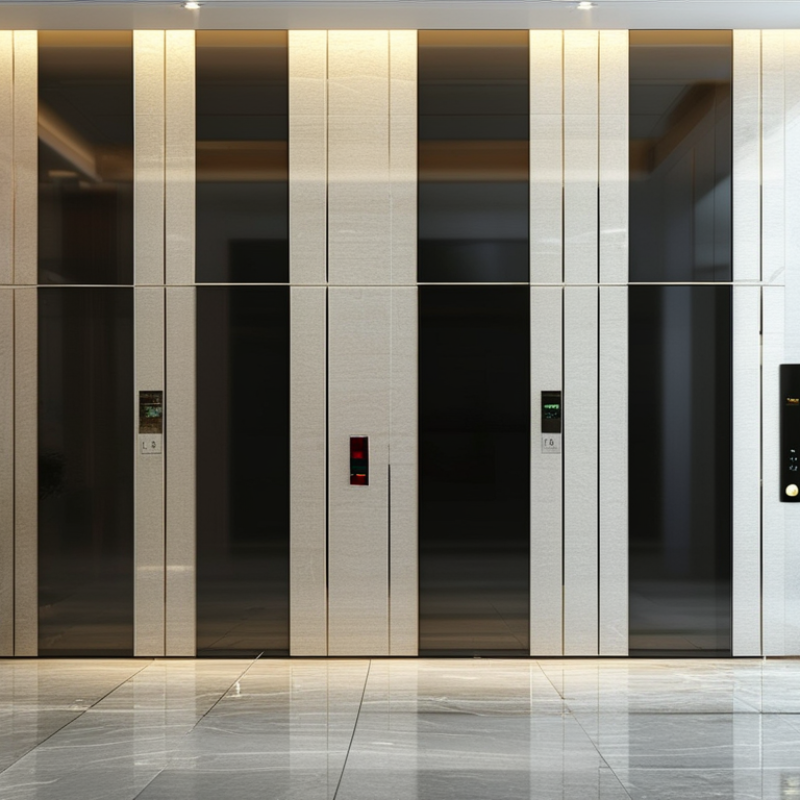
Accessibility for the elderly in China has become a pressing issue. By 2050, an estimated 35% of China's population will be over 60 years old. This demographic shift necessitates strong support systems. Yet many public spaces lack the necessary facilities to accommodate elderly individuals. A recent report highlighted that only 25% of buildings in urban areas are equipped with adequate elevators. This limited access hampers mobility and independence for aging citizens.
Mobility challenges are compounded by health conditions common among the elderly. For example, nearly 40% of individuals over 80 face mobility issues that limit their daily activities. This creates a reliance on caregivers and family members, which can put emotional and economic strains on households. Additionally, 60% of the elderly report feeling unsafe navigating inaccessible areas. This highlights a crucial gap in urban planning and social infrastructure.
Efforts to improve accessibility must focus on practical solutions. Installing lifts in residential complexes and public transport hubs is essential. However, many existing installations are not user-friendly. Poor design and maintenance lead to further frustrations. Improving these systems requires collaboration between government agencies, healthcare professionals, and urban planners. The goal is to create an environment where elderly individuals can thrive independently.
: Accessibility is crucial as a significant portion of the population will be over 60 by 2050, necessitating better support systems.
Only 25% of urban buildings are equipped with necessary lifts, limiting elderly mobility and independence.
Many seniors face mobility issues due to conditions like arthritis, which can limit their daily activities significantly.
Improving lift systems involves user-friendly designs, regular maintenance, and ensuring they cater to the needs of elderly users.
Cultural attitudes may lead to overprotection, which can limit seniors' independence and contribute to feelings of isolation.
In Shanghai, a community center upgraded its lifts, allowing easier access and encouraging more elderly residents to engage with their community.
Features like wide doors, clear instructions, and voice-activated controls can help make lifts more accessible for seniors.
Fear can stem from poorly designed lifts with minimal handrails or complicated instructions, deterring seniors from using them.
While family support is essential, too much assistance can make seniors feel isolated and less independent in their daily lives.
Engaging the community can reveal essential needs and promote inclusivity, ensuring solutions are tailored to the elderly's requirements.
Accessibility for the elderly is of paramount importance in China, where mobility challenges can significantly impact their quality of life. Common obstacles faced by elderly individuals include difficulties in navigating stairs and accessing different levels of buildings. Various lift types are available, each with its own advantages and drawbacks. To determine what is the best lift type for elderly accessibility, one must consider safety features, ease of use, installation requirements, and the specific needs of the elderly population.
Case studies illustrate successful implementations of lifts that have effectively enhanced accessibility for seniors. By prioritizing user-friendliness, ensuring compliance with safety standards, and accommodating the unique challenges faced by elderly individuals, stakeholders can select the most suitable lift type. Ultimately, finding the right lift solution is critical for fostering an inclusive environment that supports the mobility and independence of elderly citizens in China.

 Samar Lift