In the realm of aerial work platforms, making the right choice between a telescopic boom and an articulating boom is crucial. According to the latest industry report by the International Powered Access Federation (IPAF), nearly 45% of construction professionals experienced downtime due to choosing the wrong equipment. This illustrates a significant need for clear guidance on how to choose between a telescopic and articulating boom.
Expert John Smith, a seasoned equipment consultant, emphasizes the importance of understanding your specific project requirements. He states, "The right boom can enhance productivity, but the wrong choice can lead to costly mistakes." This underscores the significance of carefully assessing factors like reach, flexibility, and workspace constraints.
As you delve deeper into the decision-making process, consider your project’s unique characteristics. Remember, not all boom lifts are suited for every task. With rising complexities in construction and maintenance tasks, the right selection can either propel efficiency or hinder progress. Use this guide to ensure you're equipped with the knowledge needed for an informed decision.
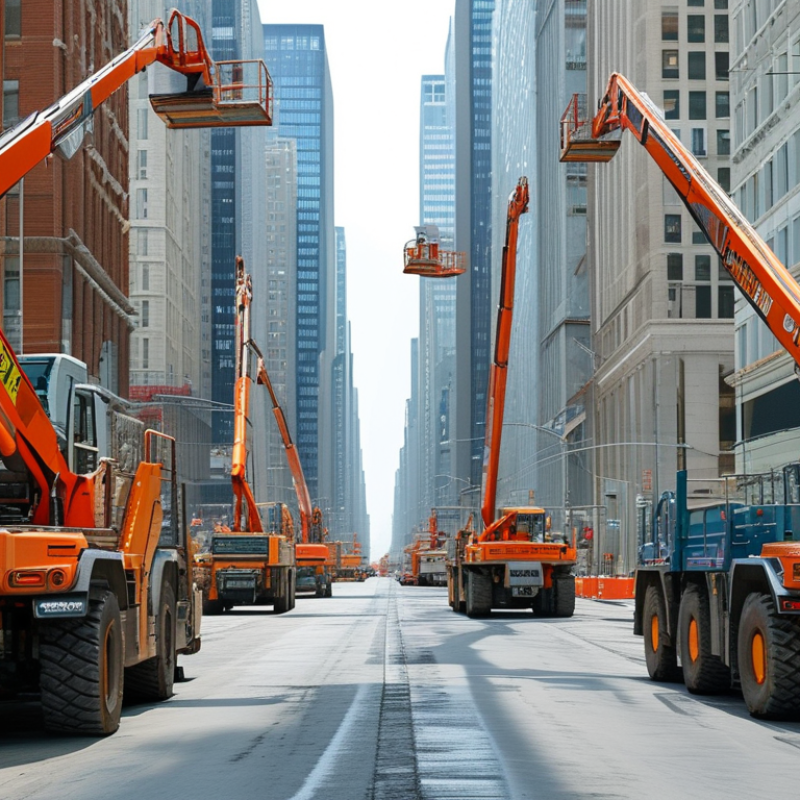
When choosing a telescopic boom lift, understanding its key features is essential. These lifts extend vertically and horizontally, providing versatile access for various tasks. Key specifications include lifting height, weight capacity, and outreach. A standard model might reach heights of up to 60 feet or more, supporting weights from 500 to 1,000 pounds. This makes them ideal for construction and maintenance work.
Safety is a significant consideration. Many models come equipped with features like tilt sensors and emergency lowering systems. These details are crucial, yet they may not be highlighted in every product description. Operators must also consider terrain. Some boom lifts are better suited for rough ground, while others excel on smooth surfaces. Not all models can adapt to varying conditions, which can lead to operational inefficiencies.
User experience can vary widely. Operators often face challenges when navigating tight spaces. This can require additional training or adjustments. Choosing the correct lift may involve trial and error. Relying solely on specifications might not reveal these nuances. Inconsistent performance could lead to downtime or safety hazards. Understanding these intricacies is vital for effective selection and use.
| Feature | Telescopic Boom Lifts | Articulating Boom Lifts |
|---|---|---|
| Maximum Height | Up to 180 ft | Up to 150 ft |
| Horizontal Reach | Up to 80 ft | Up to 50 ft |
| Weight Capacity | 500 lbs - 1,000 lbs | 300 lbs - 1,000 lbs |
| Ideal Applications | Construction, maintenance, and high-rising tasks | Tree trimming, indoor projects, and hard-to-reach areas |
| Maneuverability | Less maneuverable in tight spaces | More maneuverable with articulated joints |
| Setup Time | Quick setup, less time to position | May require more time to position |
: Telescopic boom lifts provide vertical and horizontal access for construction and maintenance tasks.
Standard models may reach heights of 60 feet or more, accommodating various work requirements.
They typically support weights between 500 to 1,000 pounds, depending on the model.
Many accidents stem from improper use or lack of training, highlighting the need for adherence to safety protocols.
Articulating boom lifts have jointed arms that offer flexible movement for tasks around obstacles.
They can navigate urban environments and reach challenging areas, making them effective for complex jobs.
Operators must receive proper training as mandated by safety regulations to ensure safe equipment use.
Routine checks can prevent accidents by identifying potential hazards before they cause incidents.
Overlooking safety guidelines can lead to increased risks and operational inefficiencies during lift operations.
Regular training and skill assessments are essential to maximize safety and efficiency when using boom lifts.
In "2026 Best Guide on Choosing Telescopic vs Articulating Boom," the article provides a comprehensive overview of both types of boom lifts, emphasizing their unique features and specifications. It delves into the advantages and use cases of articulating boom lifts, highlighting their flexibility for reaching difficult areas, while telescopic boom lifts are noted for their extended reach and height capabilities. A comparative analysis of reach and height establishes key considerations for users when determining the best fit for their needs.
Furthermore, the guide addresses cost efficiency, evaluating the operating expenses and maintenance requirements of each boom type, which is critical for budget-conscious decision-making. Safety standards and regulations are also discussed, ensuring that users understand the necessary compliance for operational safety. Ultimately, the article serves as a valuable resource for anyone unsure about how to choose between a telescopic and articulating boom, providing essential insights for informed selection based on specific project demands.

 Samar Lift